






Villas in Dalmatia Coast
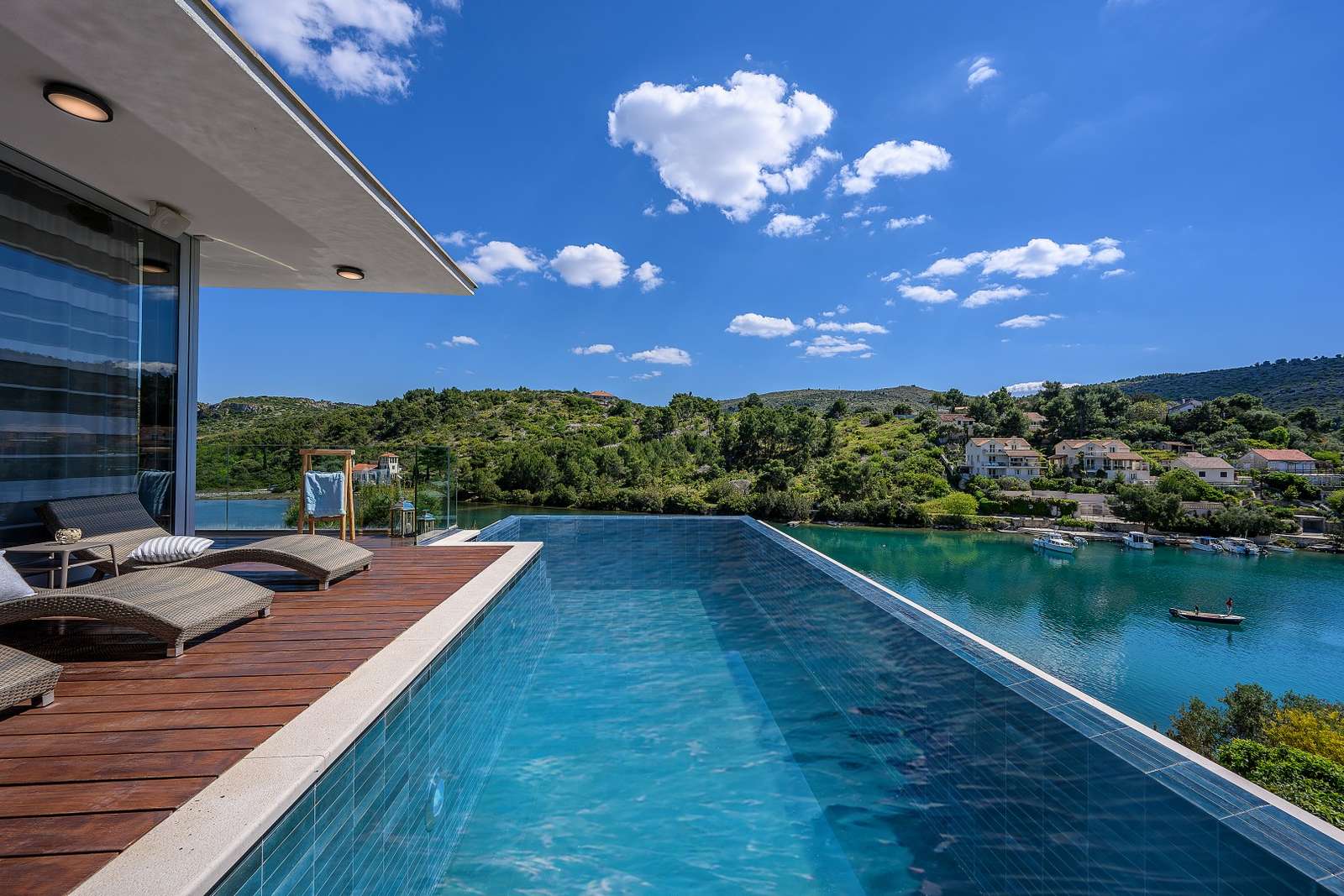
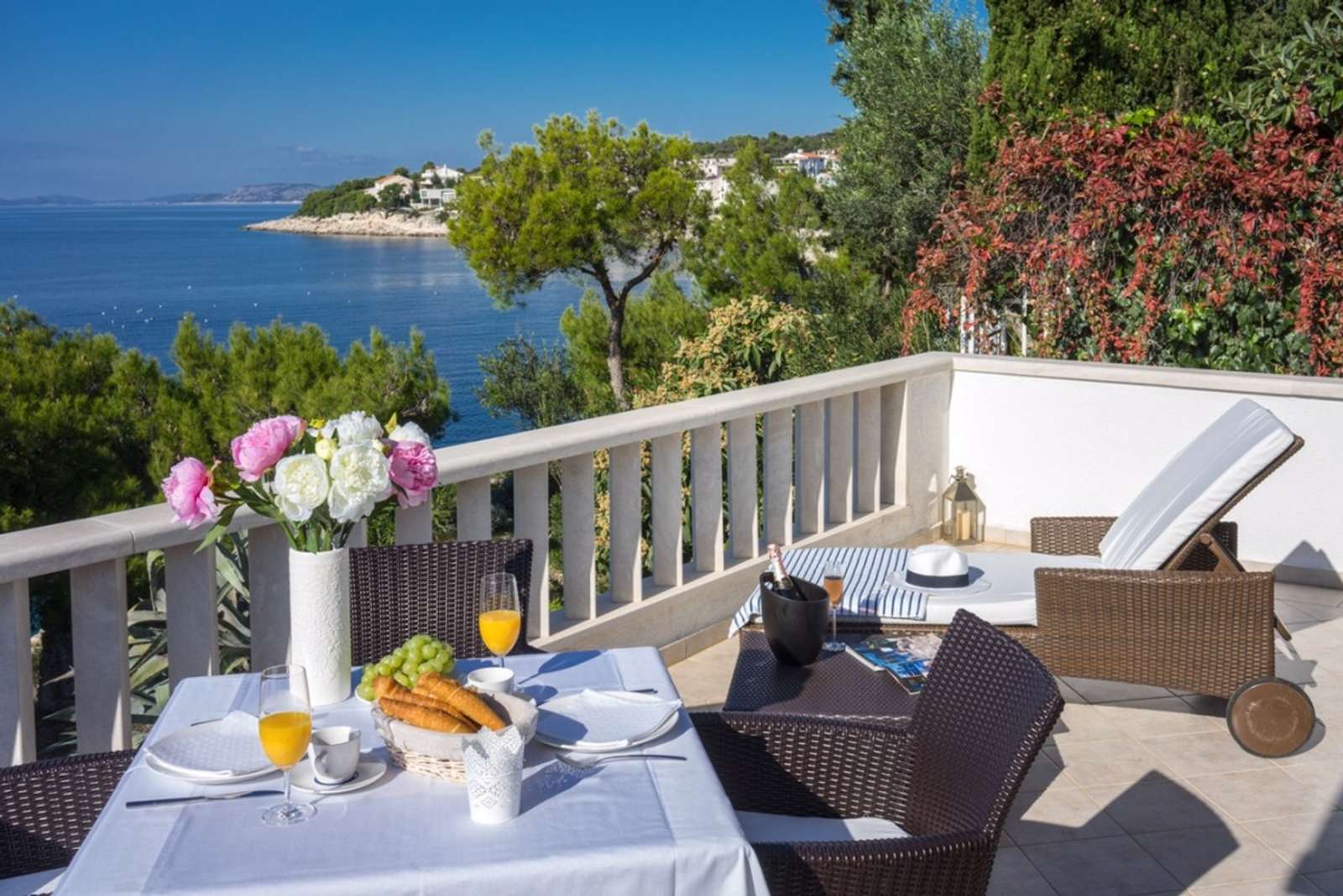
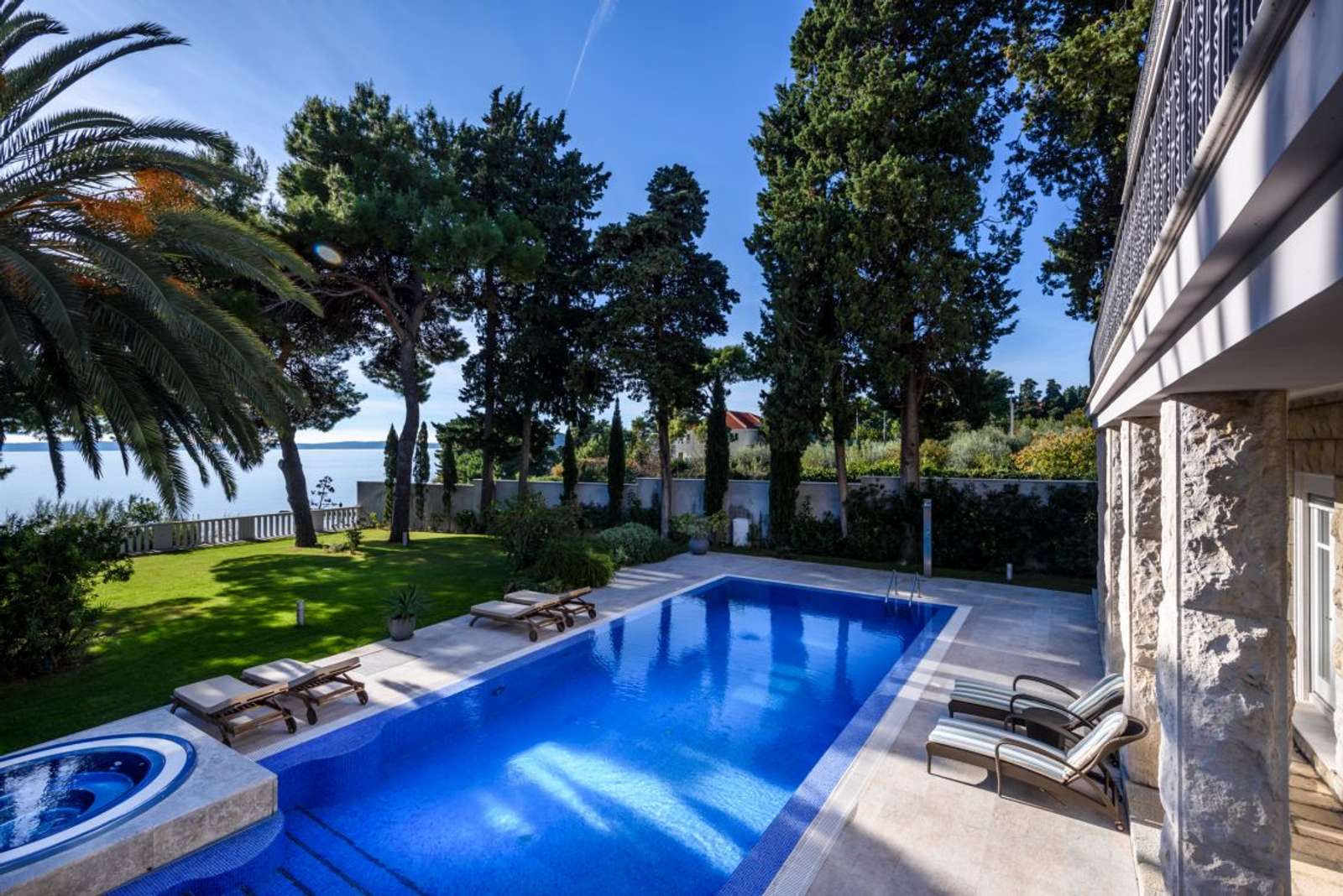
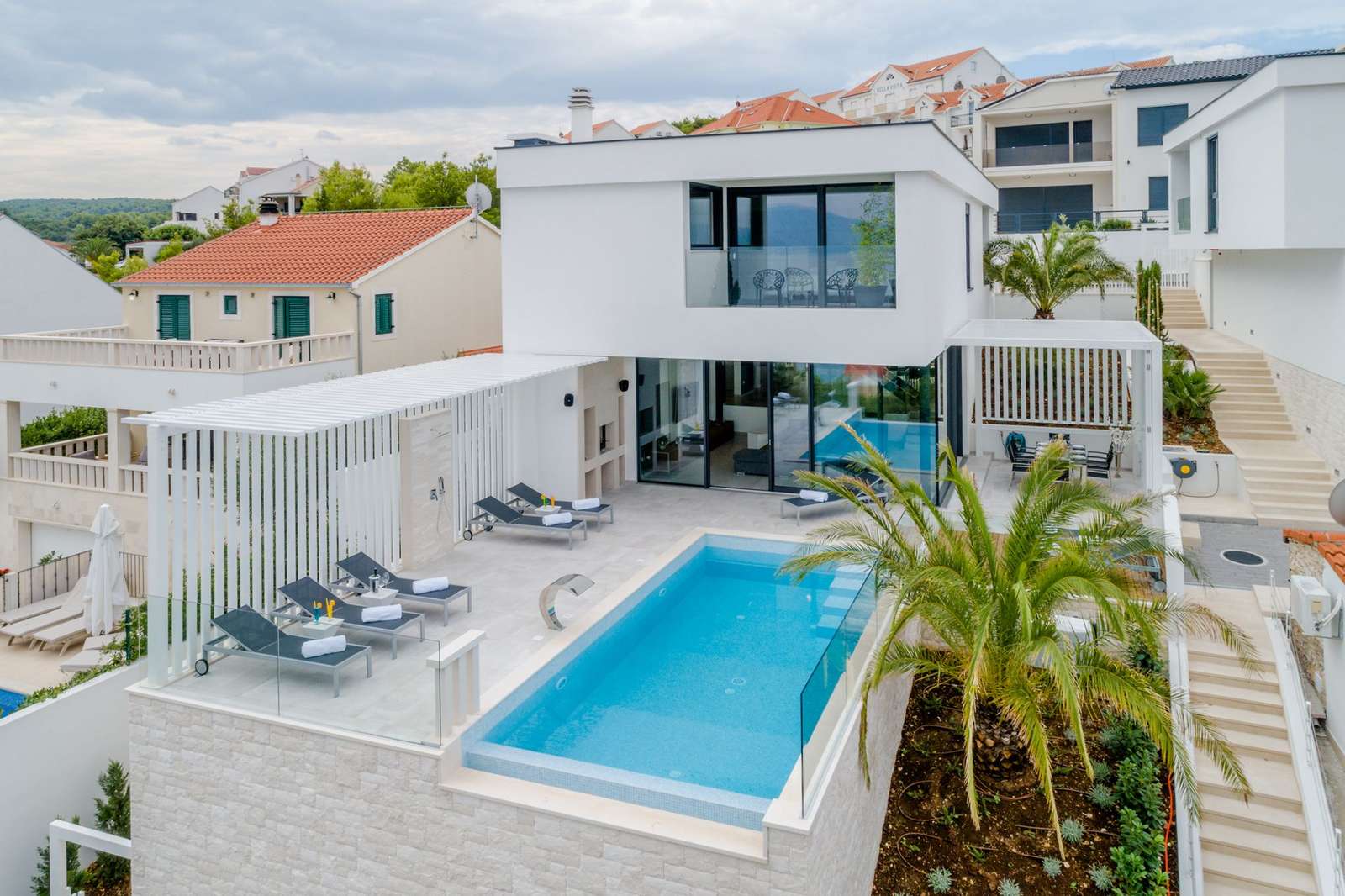
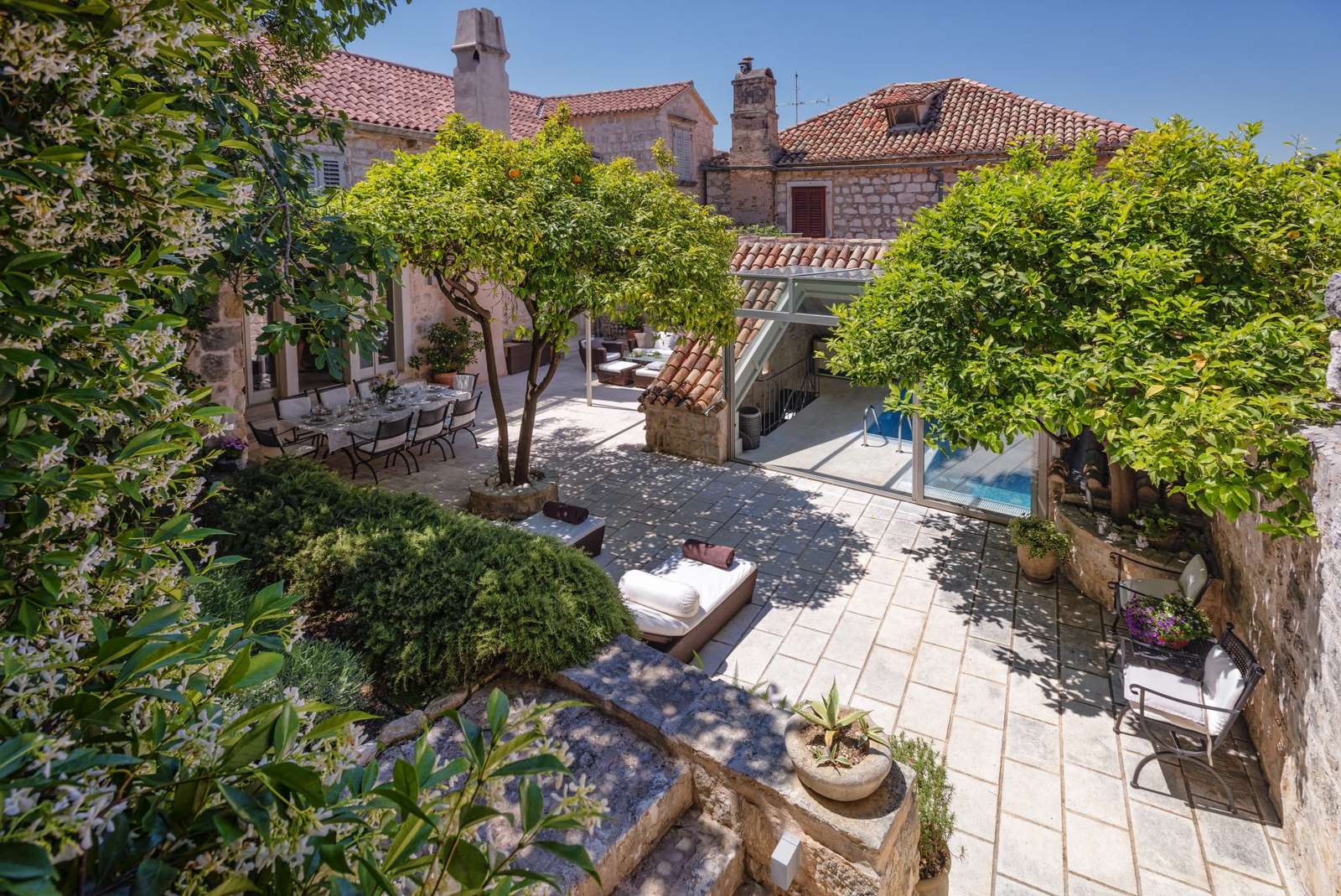
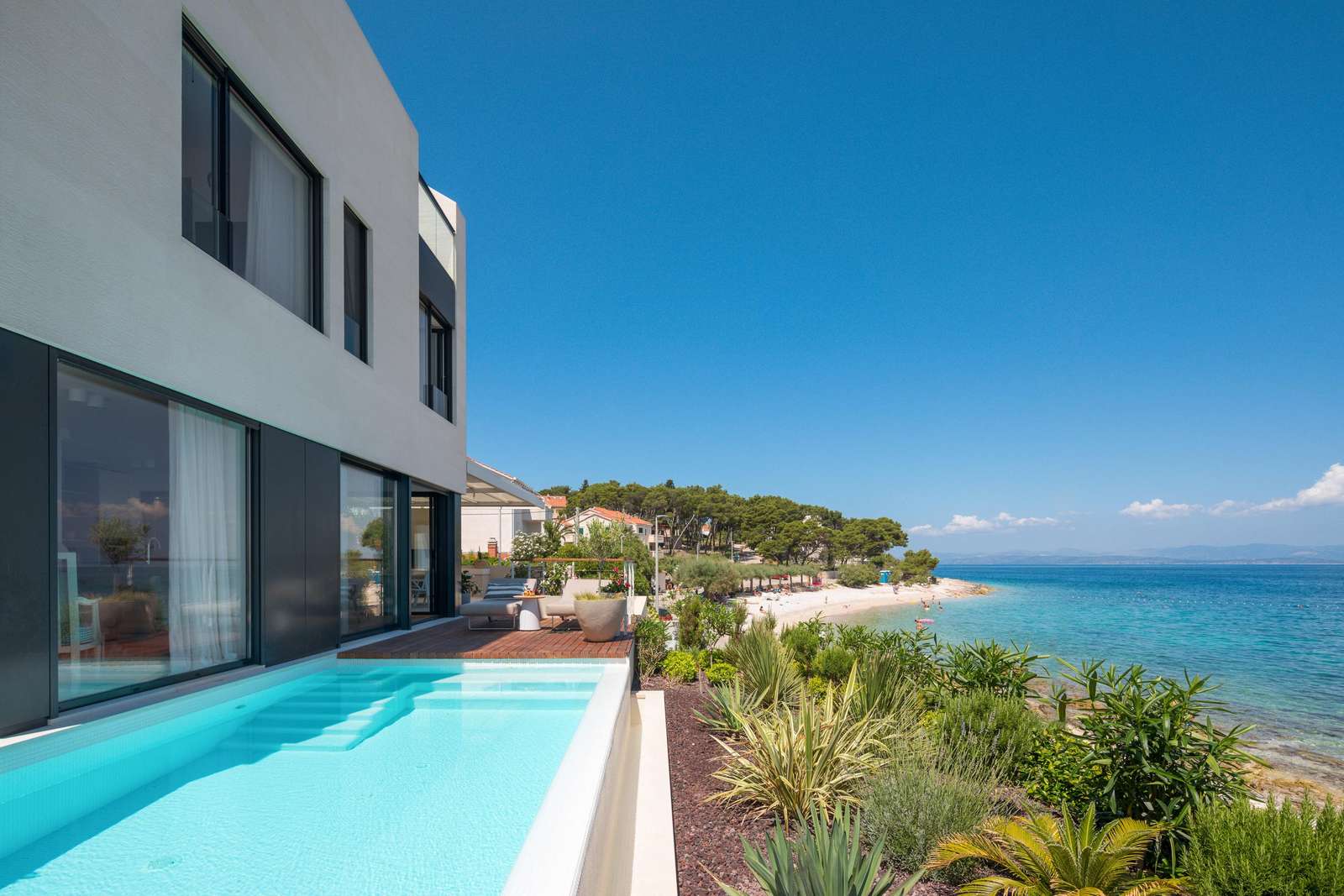
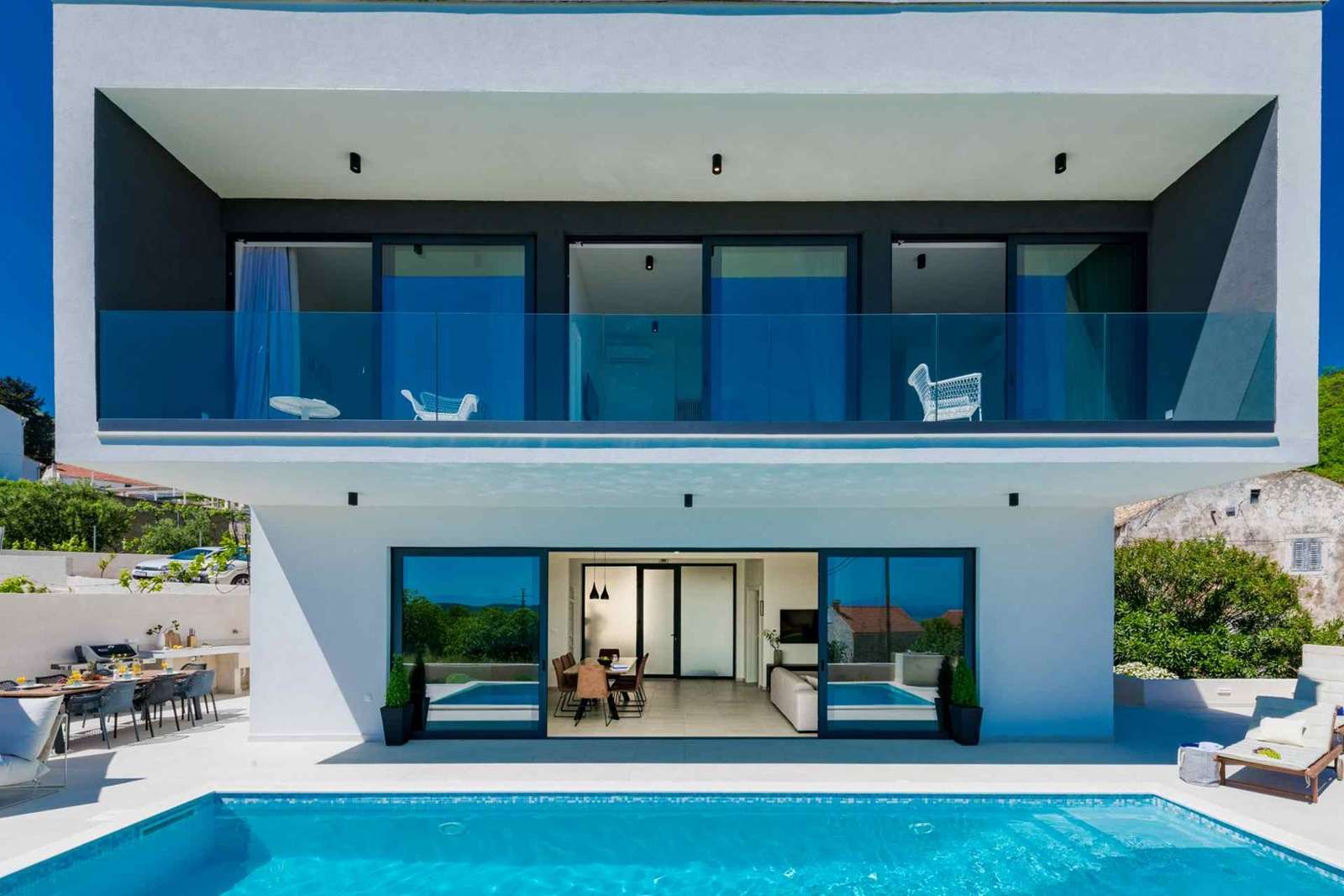
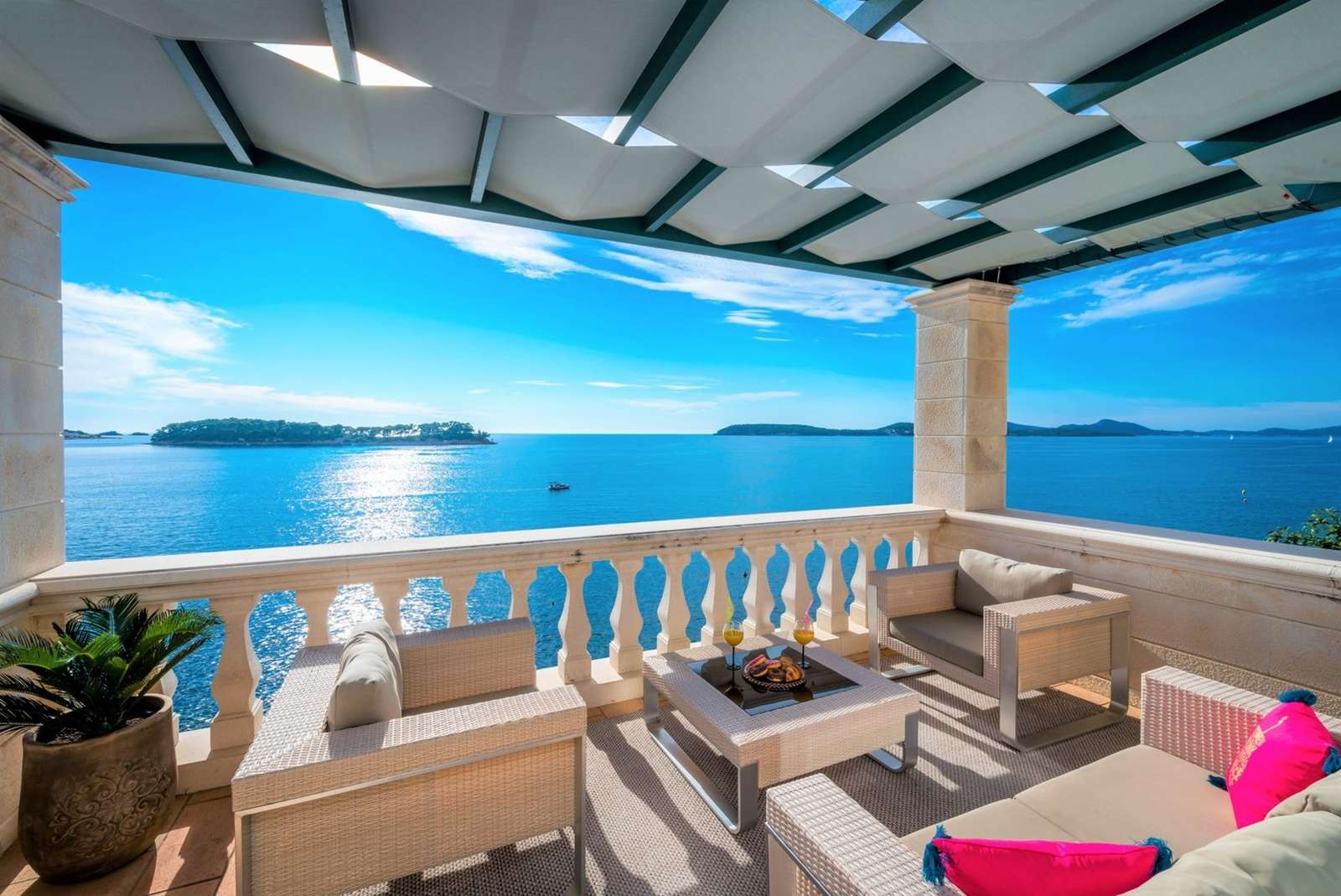
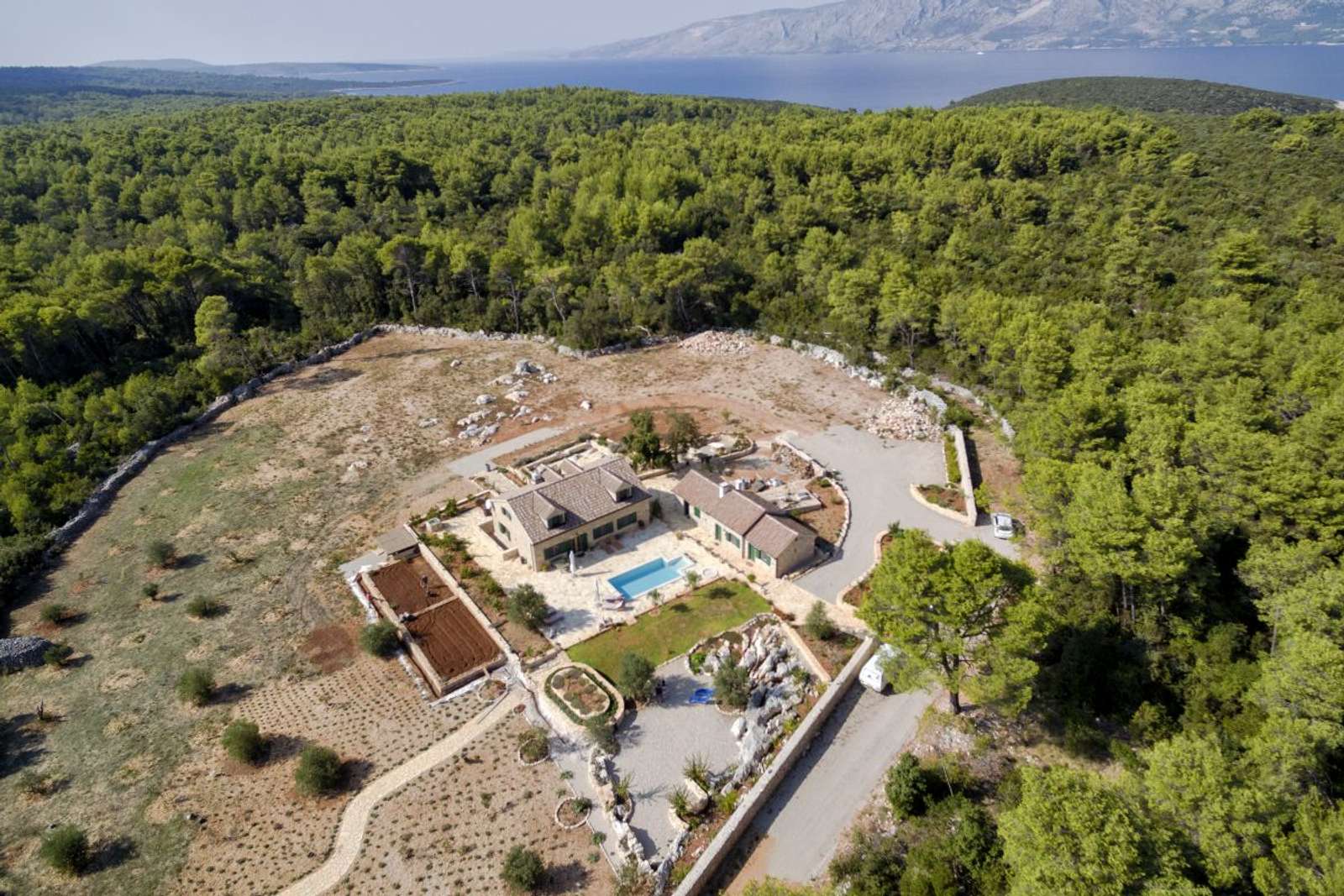
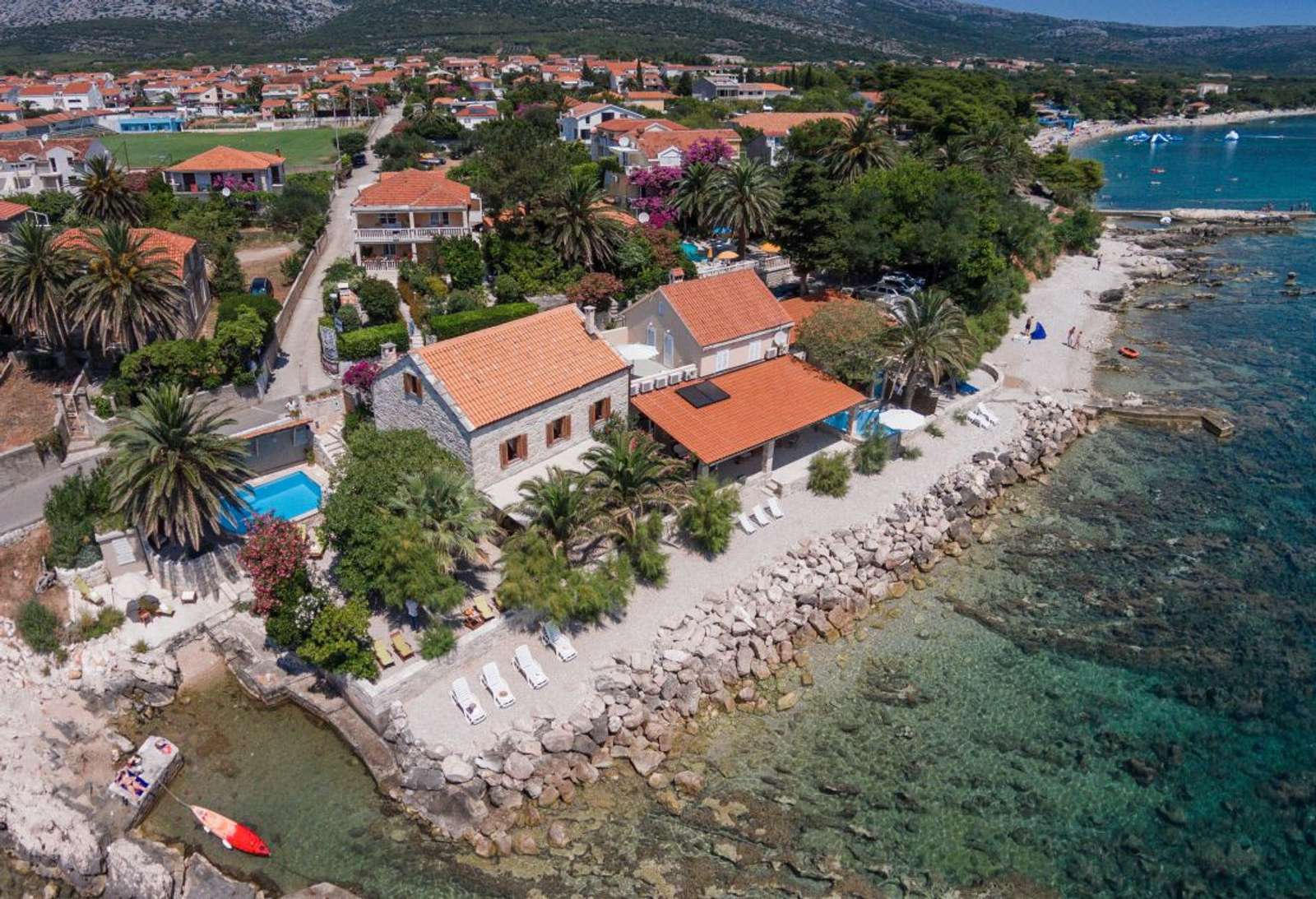
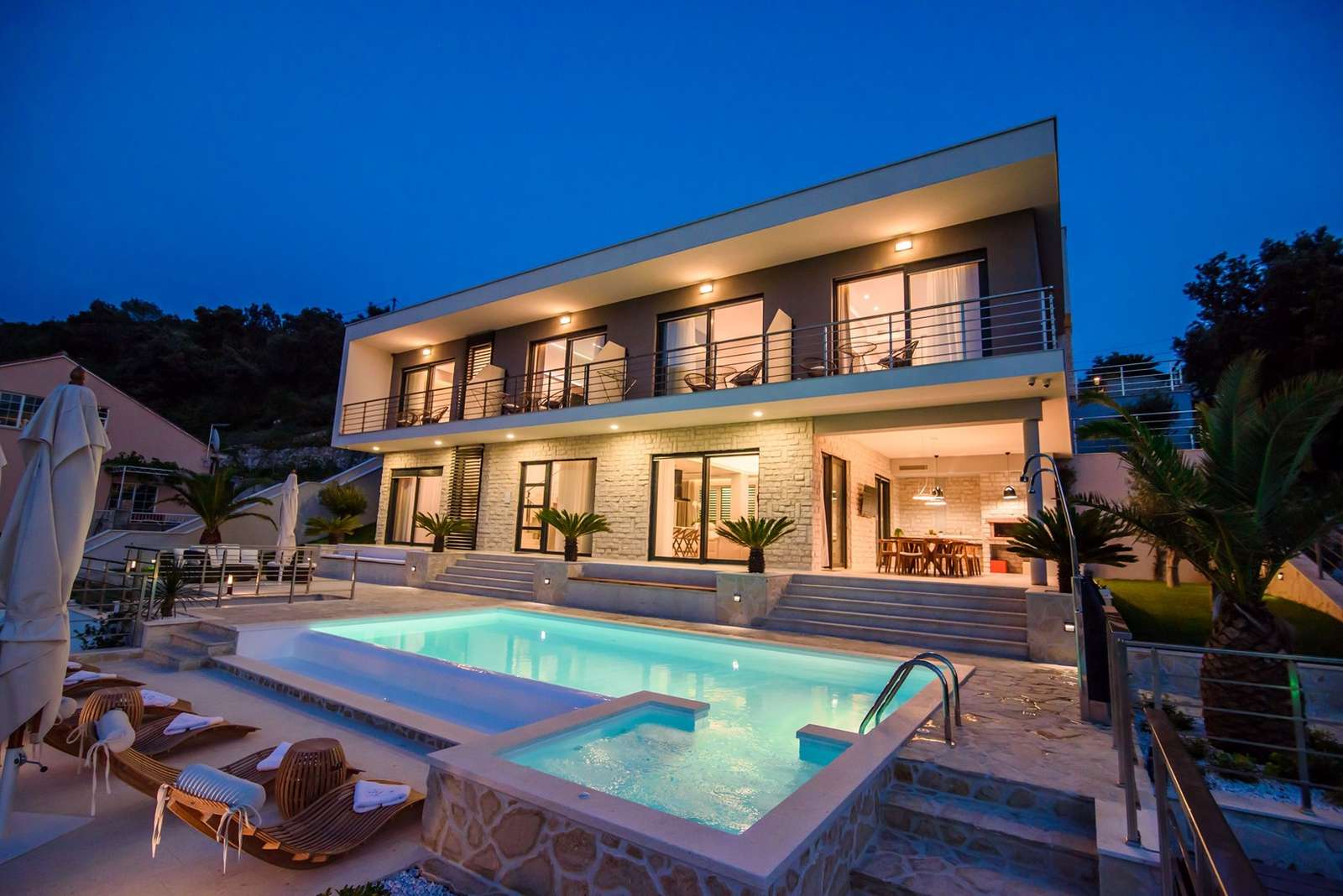
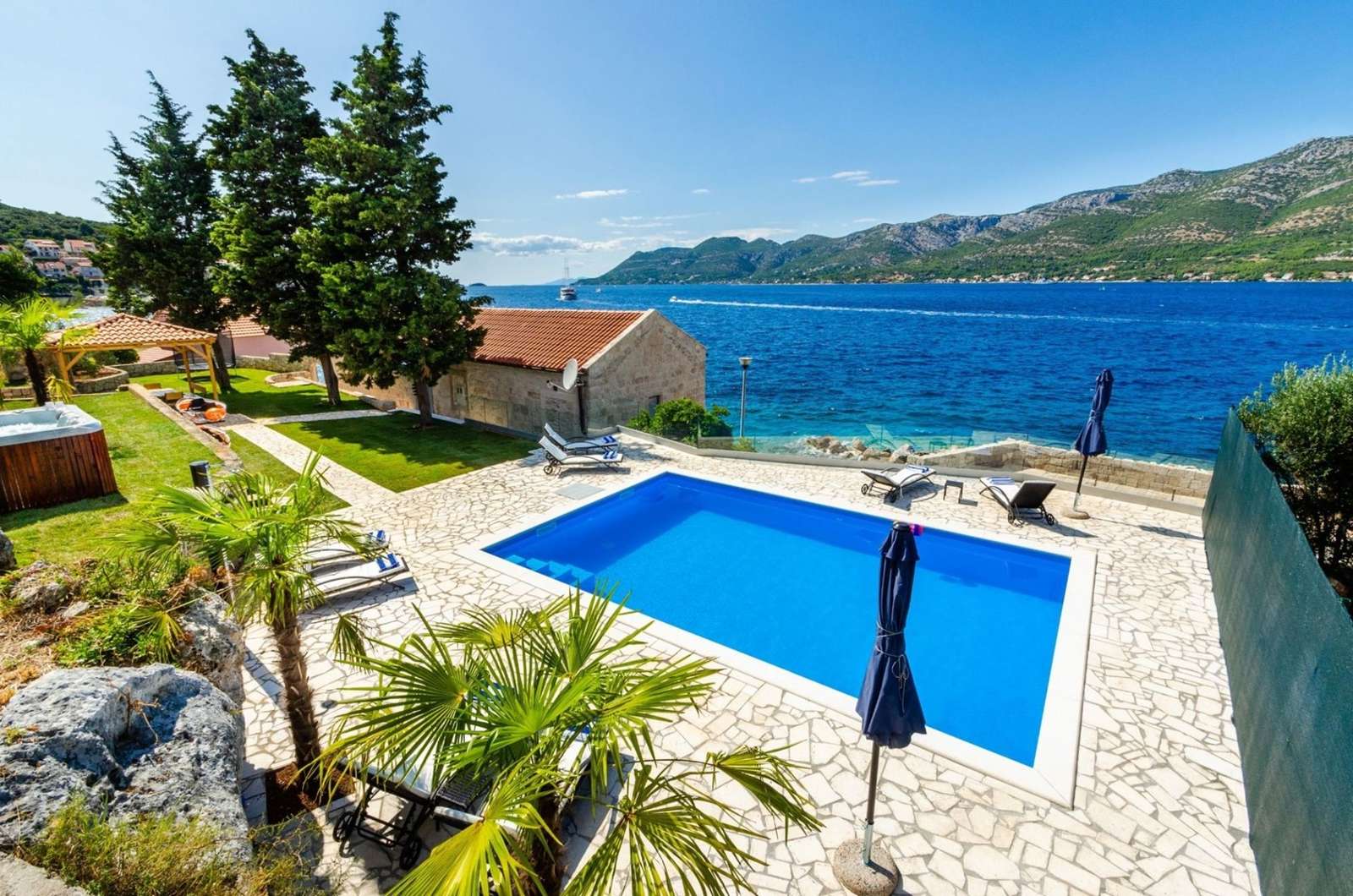
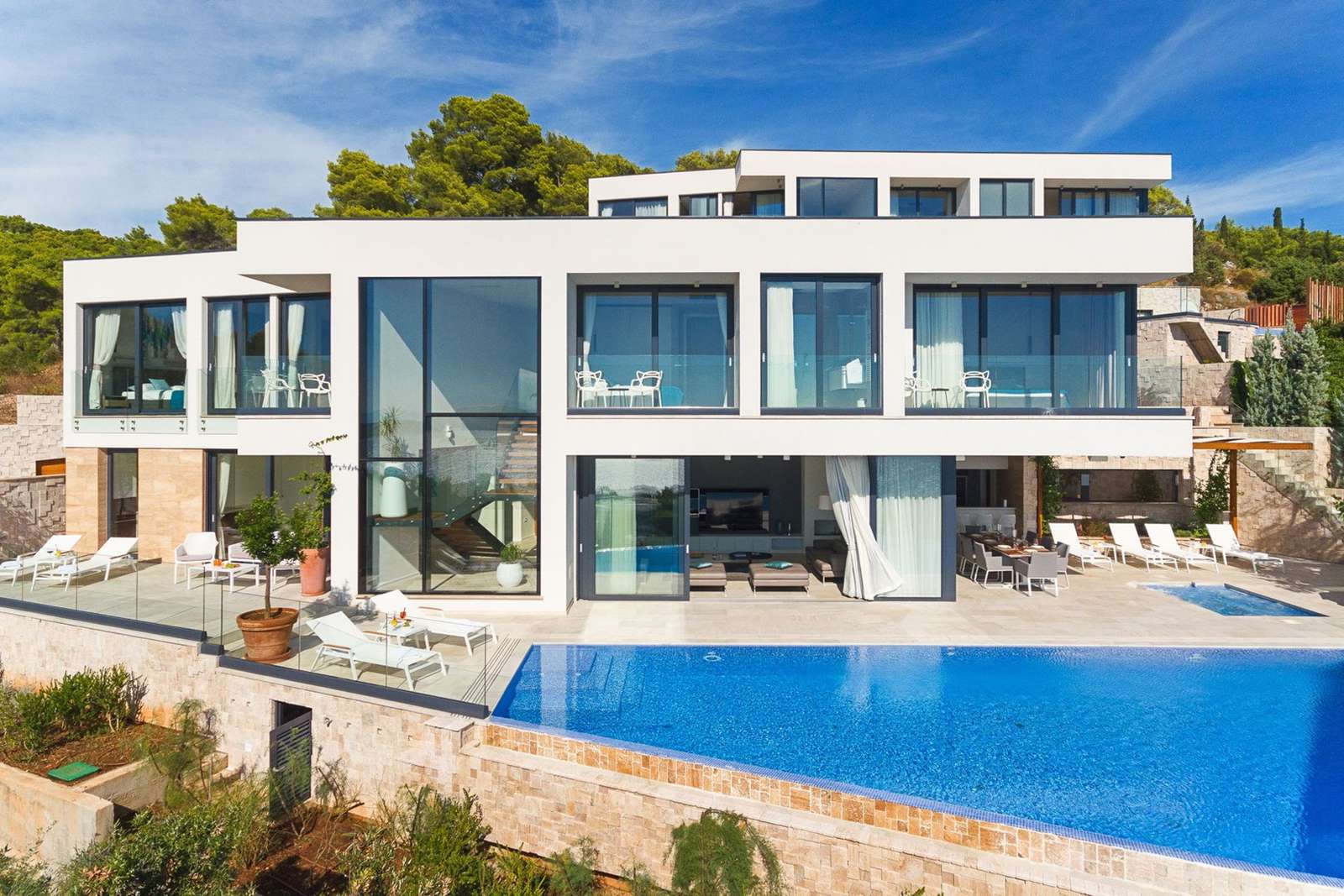
A coast of Adriatic islands and walled old towns, where many villas stand at the water's edge with sea views, heated pools and private moorings. Base yourself on Brač, Hvar or Korčula, or near Dubrovnik.
Why Choose Dalmatia Coast for a Luxury Villa Holiday?
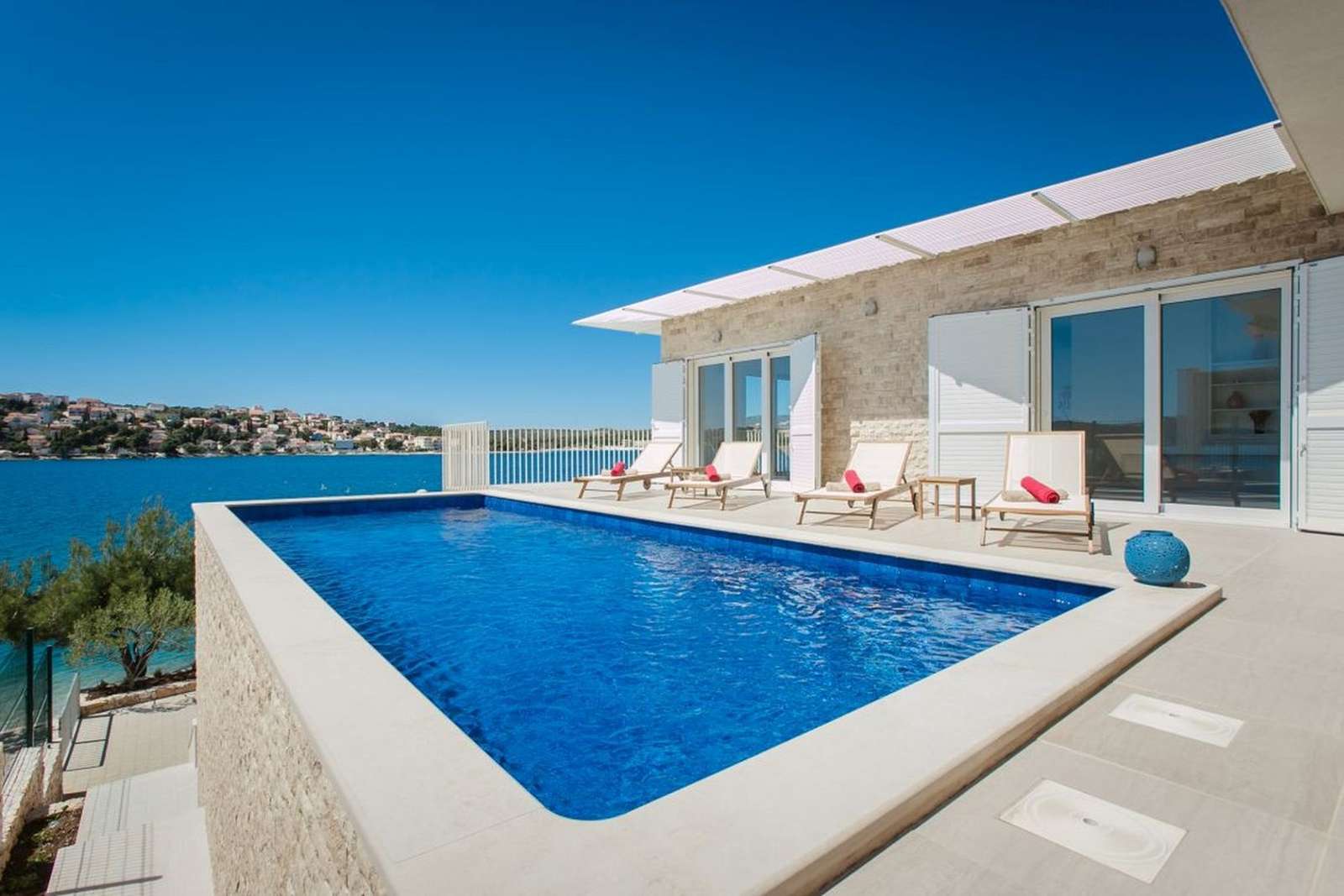
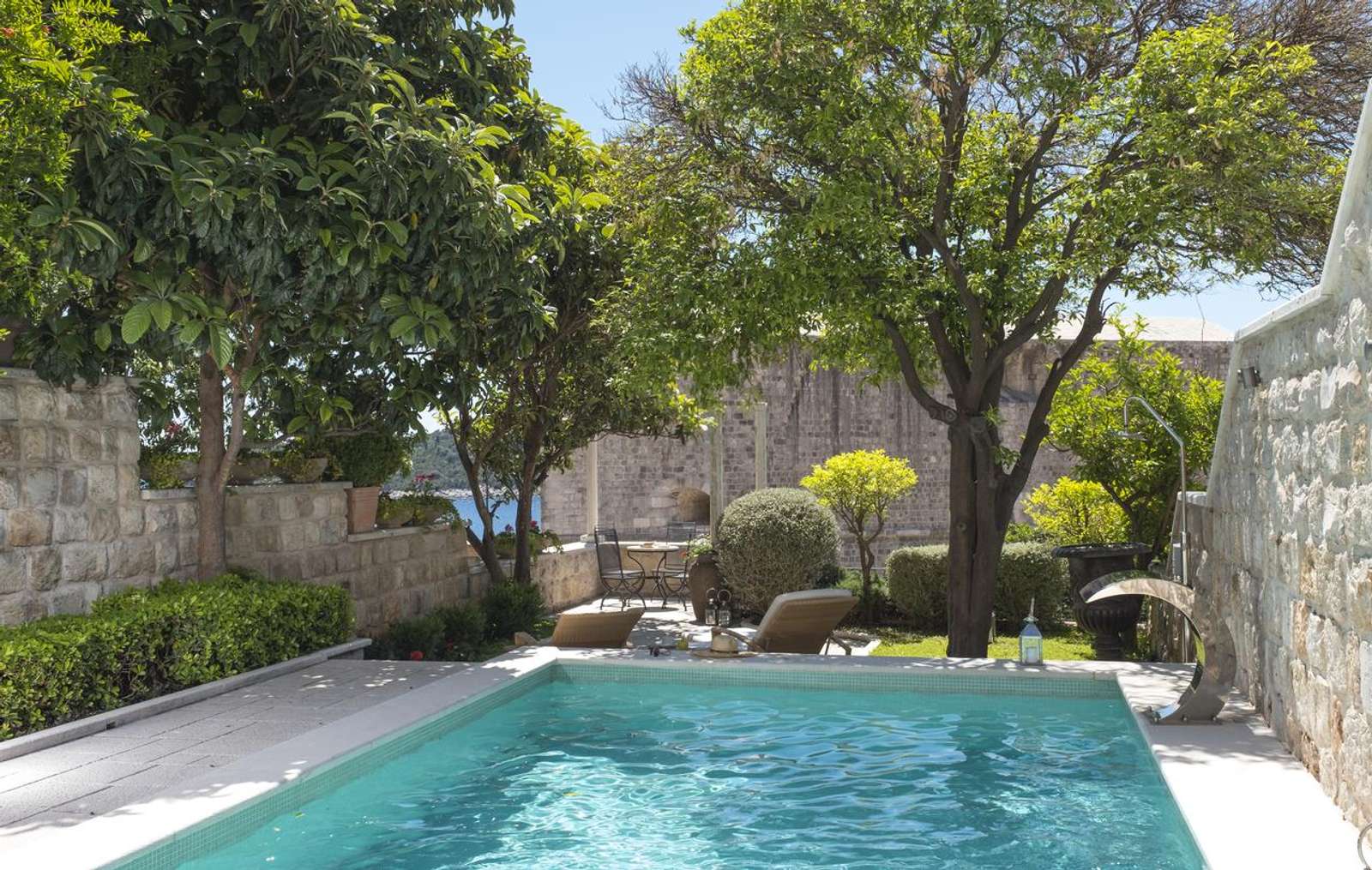
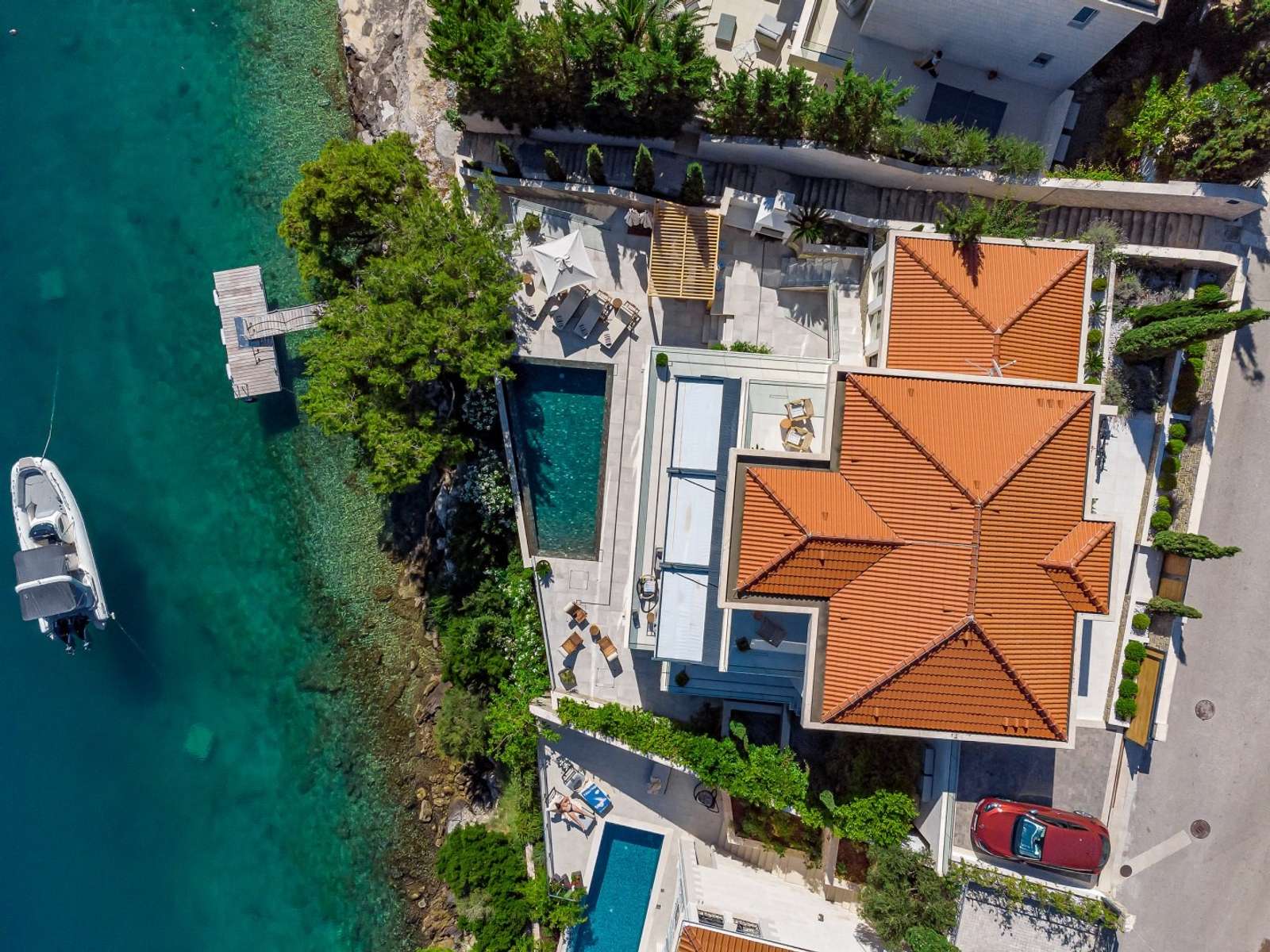
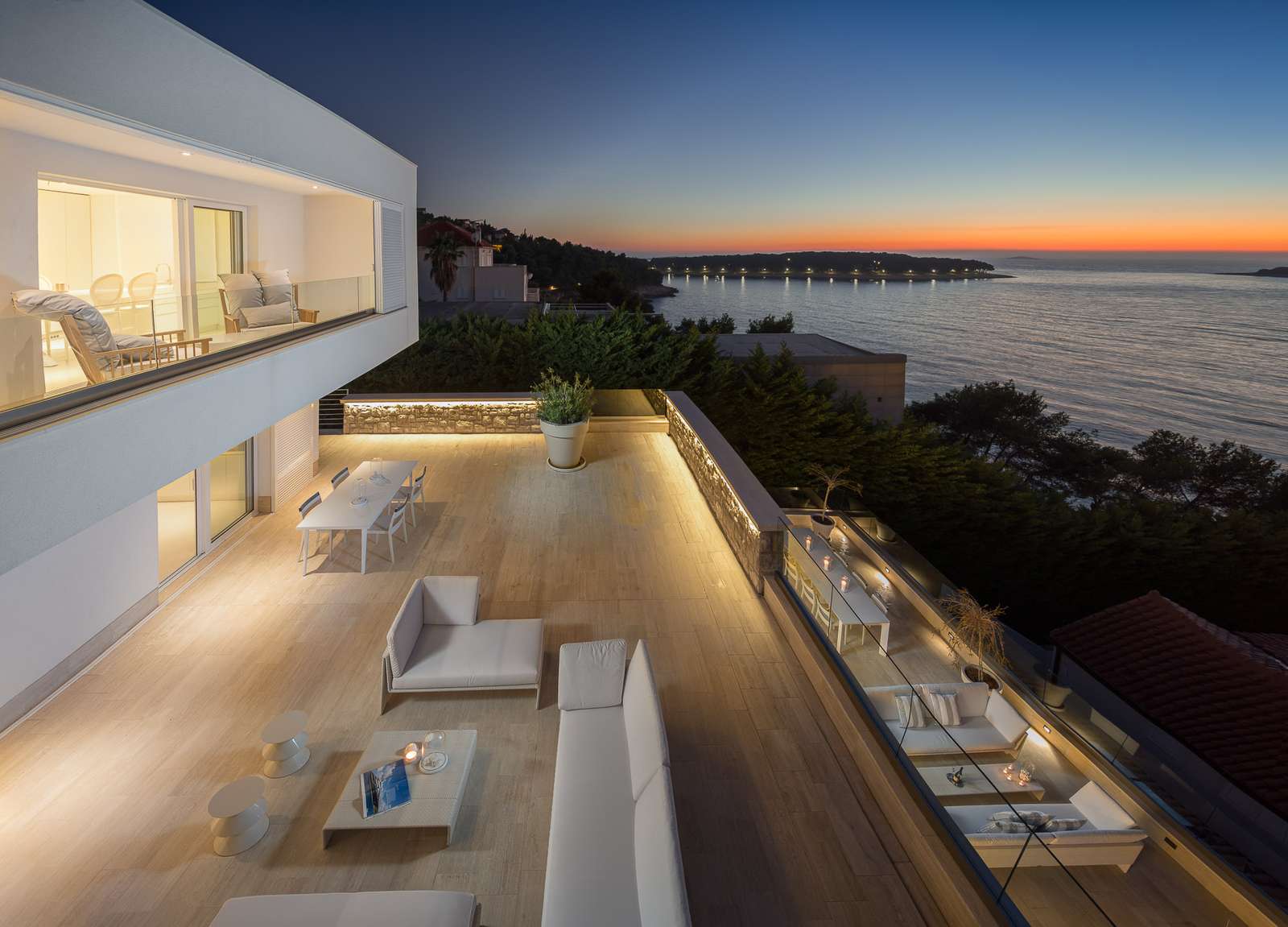
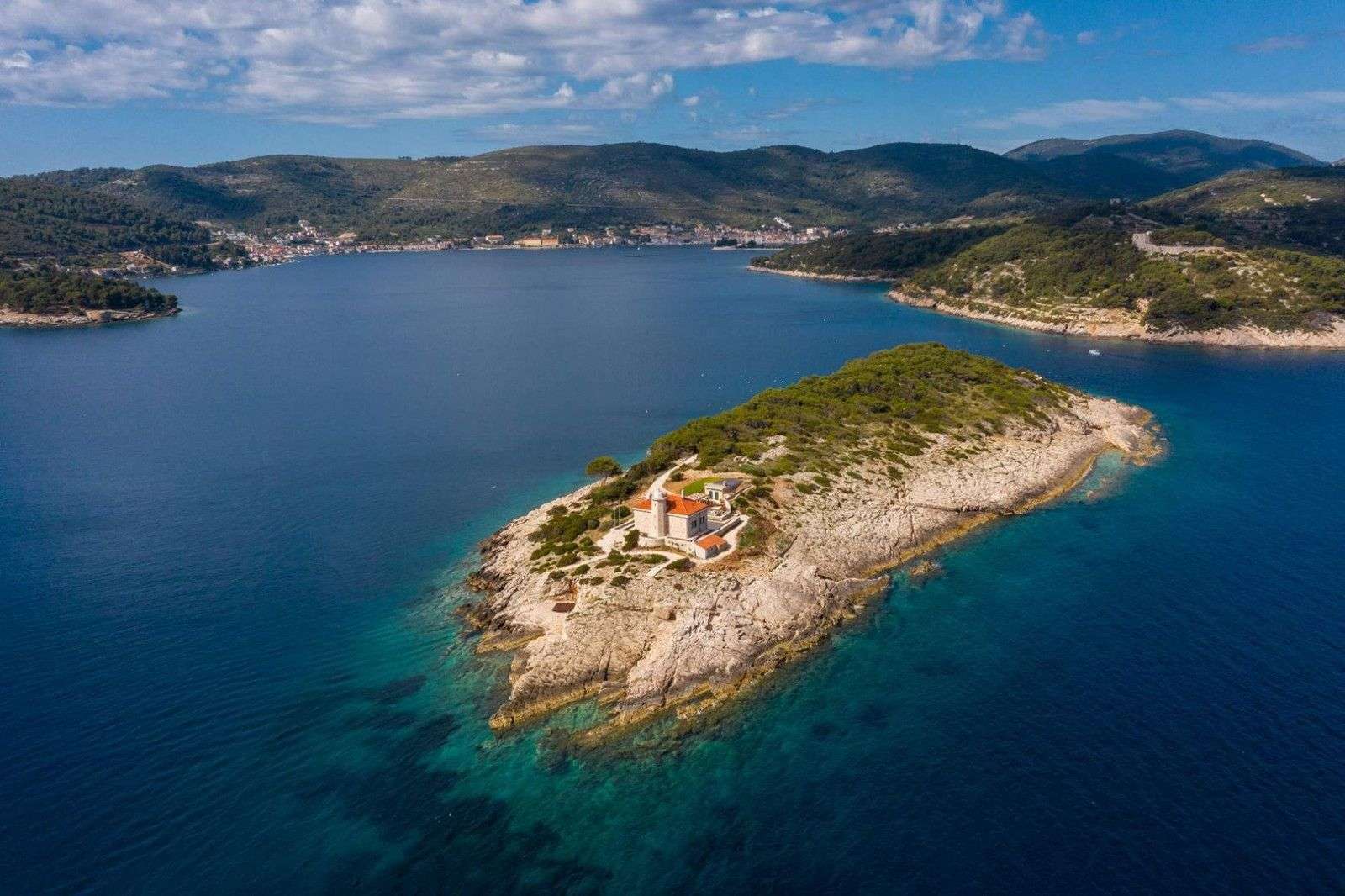
Many villas on this coast end at the water: a stone terrace, steps into the Adriatic, sometimes a private mooring for the boat. It sets the rhythm of a week here, with a swim before breakfast and a short boat trip to another island for lunch. Our villas are concentrated on Brač, in the Dubrovnik Area and on Hvar, with Korčula close behind. Brač is the easy, family-friendly island with the larger houses. Hvar is more social, centred on its harbour. Korčula is quieter and more historic, and the Dubrovnik Area pairs the walled city with villas along the shore. On the mainland, smaller clusters sit around Rogoznica, the Split Area, Brela and Omiš.
What a villa gives you here is space and privacy on a coast where the best bays fill up fast. Many of our houses are beachfront, and a good share add heated pools, saunas and gyms, with a villa manager handling the details. Summers are long and dry, and a heated pool stretches the swimming season either side of them; Best Time to Visit covers the detail.
The food is a reason to stay in as much as go out: fish grilled over the coals, lamb cooked under a peka bell, island wines. A private chef can bring all of it to your own terrace, and we would still keep a day or two free for the old towns by boat or car. The regional guide below shows how each base differs.
Best Time to Visit Dalmatia Coast
June to September is the straightforward answer for swimming, sailing and island-hopping, with July and August the hottest, driest and busiest weeks. May and September are the months we would pick: beaches and old towns are quieter, and by September the sea has held its summer warmth. Winters are mild and wetter, with November typically the wettest month, so the coast then suits food, wellness and city breaks rather than beach days.
Spring (March-May)
The coast warms steadily, with average highs rising from around 15°C in March to 22°C in May. Showers are still common, but the hillsides of Brač and Hvar turn green and the Krka waterfalls near Šibenik usually flow at their fullest. It is a good season for walking Dubrovnik's city walls or Split's old town before the crowds arrive. At Easter, Hvar holds the UNESCO-listed Za Križen procession, and Split celebrates St Domnius on 7 May. The sea stays cool until late May, so a heated pool is worth having.
Summer (June-August)
Average highs reach 28°C to 31°C, rain is rare and the Adriatic is at its warmest. Zlatni Rat, Brela and the Pakleni Islands are busiest now, and the afternoon maestral brings windsurfing to Bol and steady sailing between the islands. The Dubrovnik Summer Festival and Split's summer programme fill the old towns, and Korčula stages the Moreška sword dance. Prices and minimum stays both peak in July and August, so families and groups should book early, especially villas with sea access or a private mooring.
Autumn (September-November)
September is the month many guests prefer, with highs still around 26°C and crowds thinning after the first week. The grape harvest brings Plavac Mali to Hvar and the Pelješac peninsula, and Pošip and Grk to Korčula. October suits walking up Vidova Gora on Brač, cycling Hvar's UNESCO-listed Stari Grad Plain or rafting the Cetina canyon near Omiš. The olive harvest runs into November. Island restaurants start closing from mid-October, so Split and Trogir work better for later stays; Korčula and the Dubrovnik Area are strongest in September.
Winter (December-February)
Average highs sit between 12°C and 14°C, and December and January bring frequent rain, often followed by crisp, clear days under the cold bura wind. This is a season for culture and slow travel: Advent markets on Dubrovnik's Stradun and Split's Riva, and on 3 February the UNESCO-listed Feast of St Blaise in Dubrovnik. Many villas have saunas, heated pools and fireplaces, which suits a wellness-led stay. Split and Dubrovnik make easy city breaks, though ferry timetables to the islands are reduced.
Month-by-Month Guide
| Month | Best For | Where to Stay |
|---|---|---|
| January | Quiet city breaks, local food, wellness villas | Split Area, Dubrovnik Area |
| February | Feast of St Blaise, carnival, slow travel | Dubrovnik Area, Split Area |
| March | Ston oysters, walking, early spring scenery | Dubrovnik Area, Brač |
| April | Easter traditions, hiking, sightseeing | Hvar, Split Area |
| May | Old towns without crowds, cycling, early sailing | Korčula, Brač, Trogir Area |
| June | Swimming, lavender on Hvar, couples | Hvar, Brač, Vis |
| July | Beach holidays, festivals, boat days | Brač, Hvar, Brela, Dubrovnik Area |
| August | Family villa holidays, watersports, nightlife | Brač, Korčula, Rogoznica, Omiš |
| September | Grape harvest, swimming, quieter beaches | Korčula, Hvar, Dubrovnik Area |
| October | Walking, olive harvest, food and wine | Brač, Split Area, Čiovo |
| November | Culture, olive oil tastings, low-season value | Split Area, Trogir Area |
| December | Advent markets, festive stays, cosy villas | Dubrovnik Area, Split Area |
Seasonal Highlights
- Ston oysters near Dubrovnik in early spring, when the shellfish season is at its best
- The Za Križen Easter procession through the villages of Hvar
- Lavender in bloom around Velo Grablje and the Hvar hinterland in June and early July
- Open-air performances at the Dubrovnik Summer Festival in July and August
- Pošip and Grk harvest tastings on Korčula in September
- Olive picking and fresh oil pressing on Brač in October and November
Concierge Travel Guide to Dalmatia Coast
The Dalmatia Coast runs along the Adriatic from the Šibenik area south towards Dubrovnik, with the Dinara and Biokovo ranges rising behind it and a chain of islands offshore. Most stays centre on a private base by the water, with day trips by boat or car to the historic towns.
Getting There
Split and Dubrovnik are the main gateways, and Zadar is also connected to many European hubs. Direct European routes run most widely from roughly April to October, while year-round connections go through hubs such as Zagreb, Frankfurt, Munich, Vienna and Istanbul. There are seasonal links from North America and the Middle East. Split is the natural arrival for the northern islands and the Riviera, with catamarans and car ferries to Brač, Hvar, Korčula and Vis; Brač also has its own airport. Dubrovnik is the easier gateway for Korčula and the south.
Where to Eat
Dalmatian cooking relies on fresh fish, olive oil, lamb and slow-cooked dishes such as peka, prepared under an iron bell. Black risotto, octopus salad and Pag cheese are staples. Dubrovnik and Split have the highest concentration of Michelin-recognised restaurants, and Šibenik has several well-regarded tasting menus. Reservations are advisable in summer.
The Pelješac peninsula is the main wine area, known for Plavac Mali reds around Dingač and Postup. Hvar and Korčula produce Pošip and Grk, two distinctive whites. Split's Green Market and Dubrovnik's Gundulić Square market sell produce daily.
Beaches
Zlatni Rat near Bol on Brač is the best-known beach on the coast, a shingle spit that shifts with the wind and tide. Brela on the Makarska Riviera has pine-backed pebble coves, and Banje beach sits beneath Dubrovnik's walls. The Pakleni Islands off Hvar and the bays of Vis offer quieter coves, mostly reached by boat. Beach clubs are concentrated in Hvar Town, Split and Dubrovnik, with calmer options on Korčula.
Things to Do
Sailing between the islands is the defining activity, and boat charters are easy to arrange. On land, the Cetina canyon above Omiš is the place for rafting, and Bol's afternoon maestral draws windsurfers. Kayaking, stand-up paddleboarding and cycling are widely available, and many villas supply the equipment.
With Children
Krka National Park, near Šibenik, has swimmable areas around its waterfalls and boardwalks. Boat trips to the Blue Cave on Biševo, departing from Vis, or to the Elaphiti Islands from Dubrovnik suit most ages. Aquaparks operate in Split and Makarska in summer, and Biokovo Nature Park has trails and a skywalk.
Culture and History
Diocletian's Palace in Split is a UNESCO World Heritage Site, as are the old town of Dubrovnik, the Cathedral of St James in Šibenik and the historic centre of Trogir. Korčula Old Town is a walled settlement often linked to Marco Polo, and Hvar's Stari Grad Plain is also UNESCO-listed. Dubrovnik Summer Festival runs from July to August, and Split has its own summer programme of music and theatre.
Golf
The nearest 18-hole options are around Dubrovnik, where Srđ is a notable development above the city, and some courses lie further north along the coast. Most golfers combine a few rounds with a villa stay and use the concierge for tee times and transfers.
What We Can Arrange
Our concierge team can arrange private transfers, speedboats and helicopter links, boat charters and guided tours, along with private chefs, cellar visits and olive oil tastings from your villa.
Explore Villas in Dalmatia CoastFind Your Perfect Villa in Dalmatia Coast
On this coast the choice of base shapes the week more than the choice of house. We have 105 luxury villas across the Dalmatia Coast, mostly on Brač, in the Dubrovnik Area, on Hvar and on Korčula, with smaller clusters around Rogoznica, the Split Area, Brela, Omiš, Čiovo, the Trogir Area and Vis. Hvar and Dubrovnik bring more nightlife and sightseeing, while Brač, Korčula and Vis feel quieter.
| Traveller Type | Where to Stay | Why |
|---|---|---|
| Families | Brač | Pebble beaches near Sutivan and Splitska, a short ferry from Split, and many villas with heated pools. |
| Couples | Korčula | Quiet seafront bays close to the old town, with a calm pace in spring and autumn. |
| Large Groups | Brač, Dubrovnik Area | Five- and six-bedroom houses with outdoor dining and room for shared celebrations. |
| Beach Lovers | Brela, Omiš | Makarska Riviera shoreline backed by the Biokovo mountains, with coves within reach. |
| Food Lovers | Korčula, Hvar | Local wine, olive oil and seafood, with konobas and vineyards a short drive from many villas. |
| Wellness | Brač, Korčula | Many villas include saunas, gyms or jacuzzis, which suits the cooler months. |
| Harbours and Old Towns | Hvar, Dubrovnik Area | Hvar Town's harbour and the Pakleni Islands, or Dubrovnik's walled Old Town and the Elaphiti Islands. |
Once you have an area, narrow by setting. Our waterfront villas are the ones with steps to the sea or a private mooring. Wellness stays usually start with houses that have a gym, and food and wine trips with villas in the wine regions. For celebrations, the wedding collection is the place to begin. Timing matters as much as the area, so check Best Time to Visit before fixing dates.