










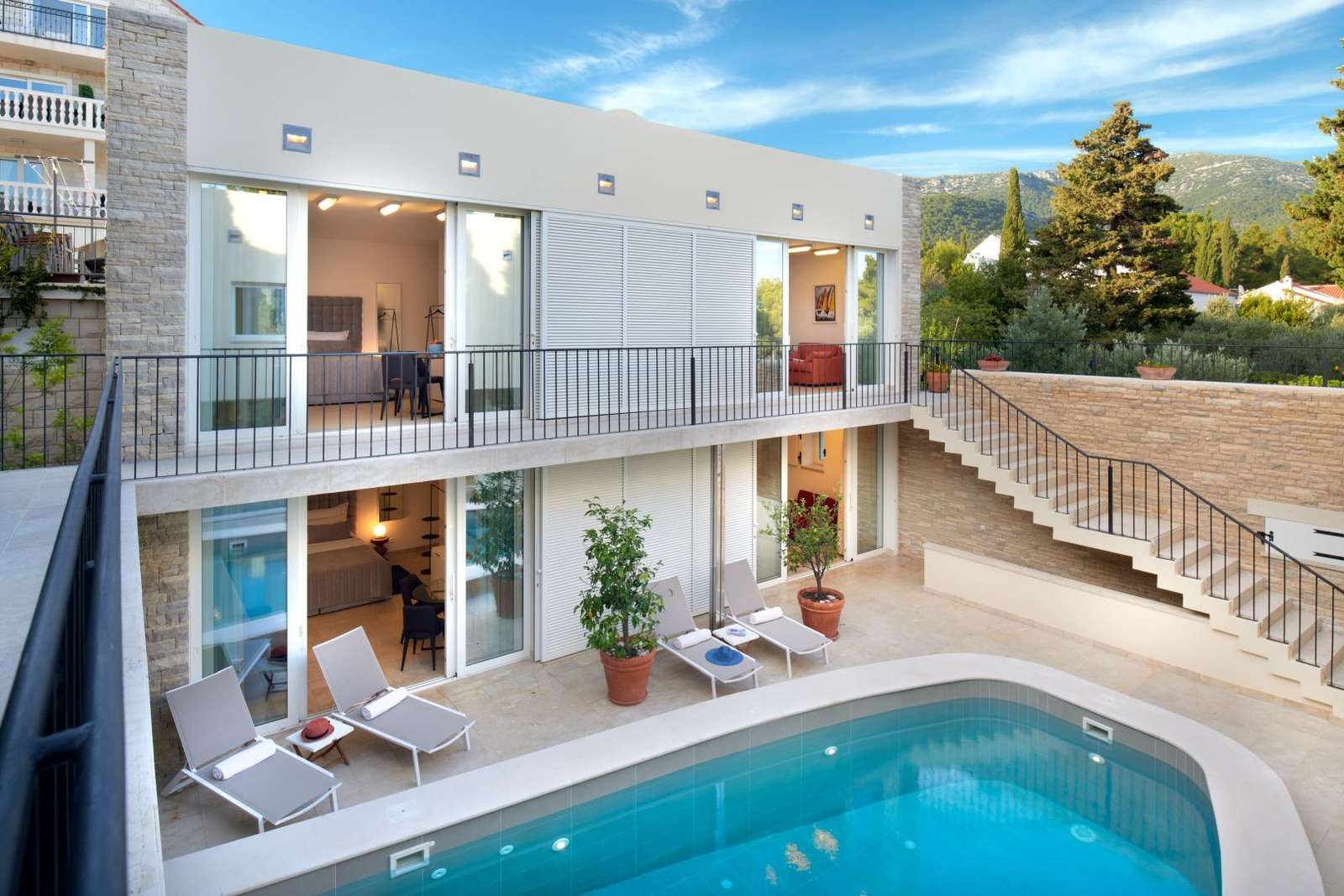
Villas in Croatia
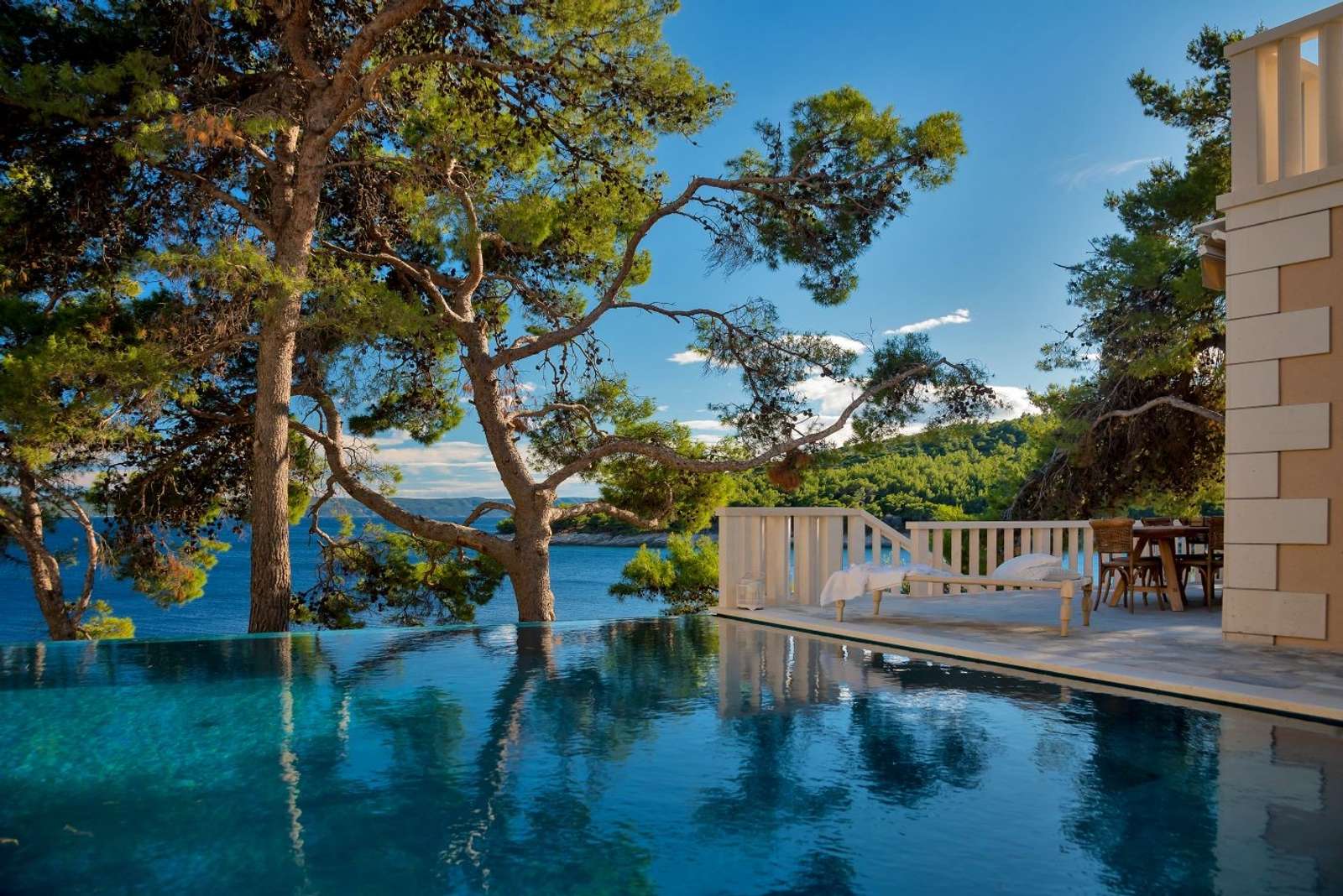
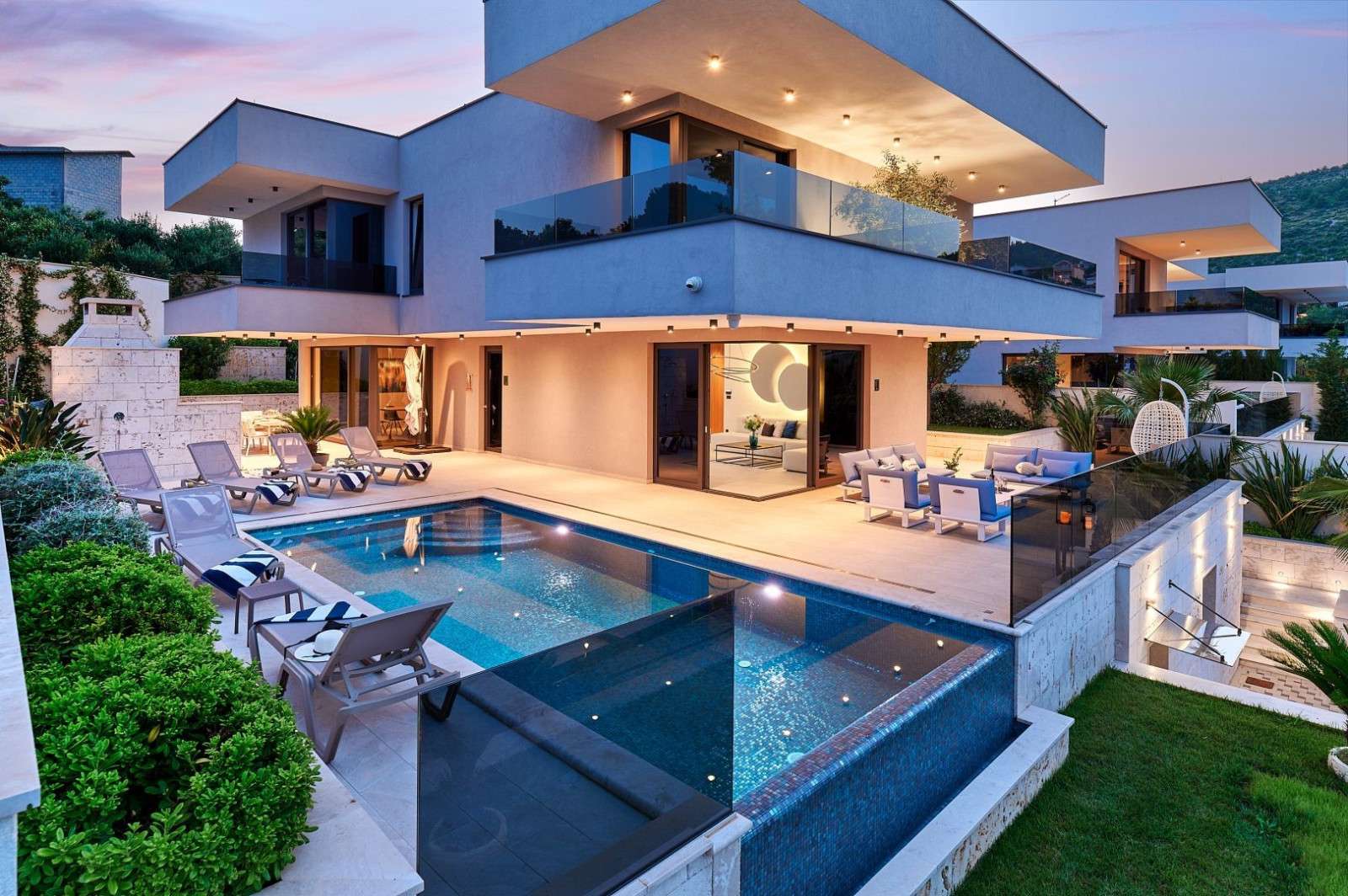
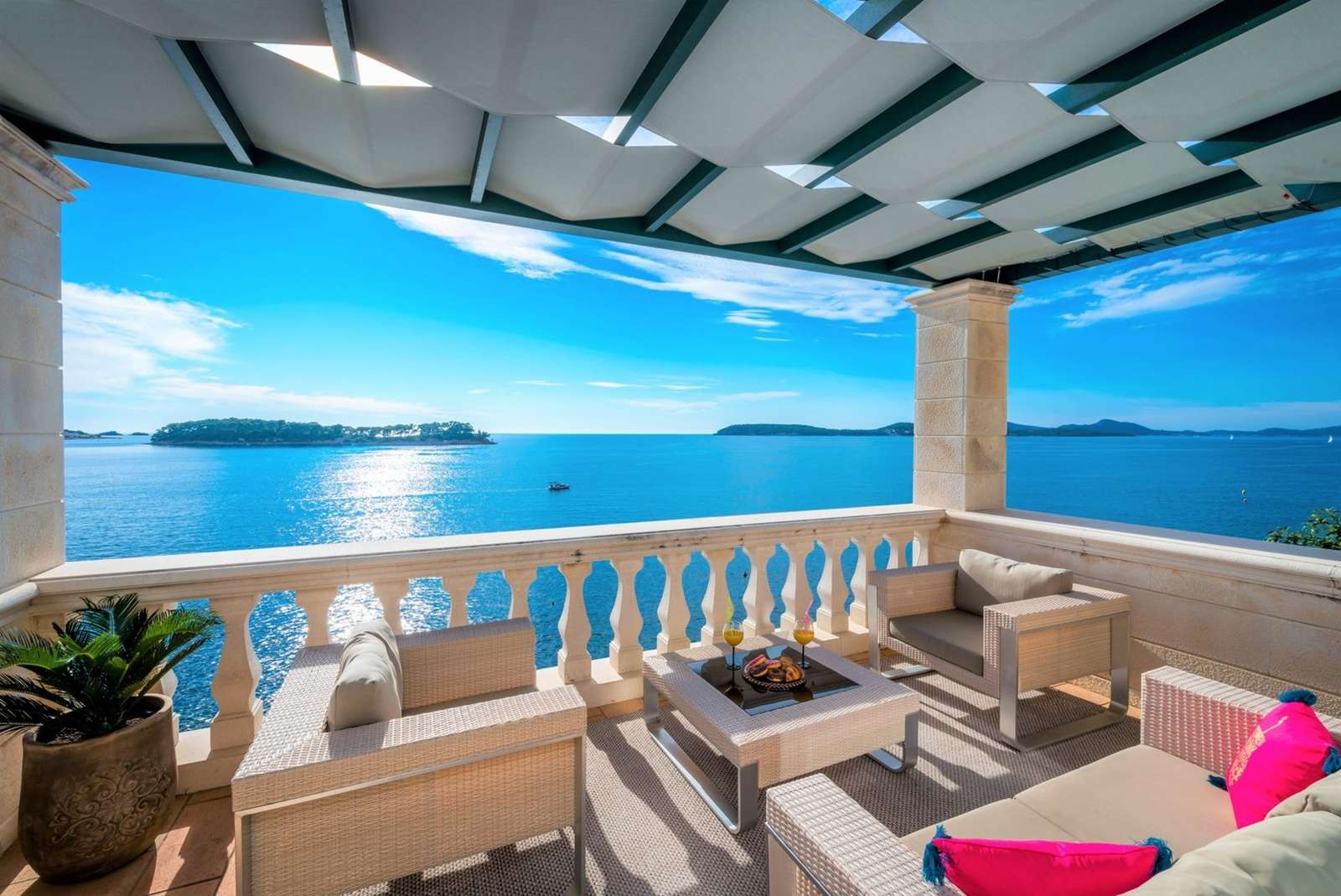
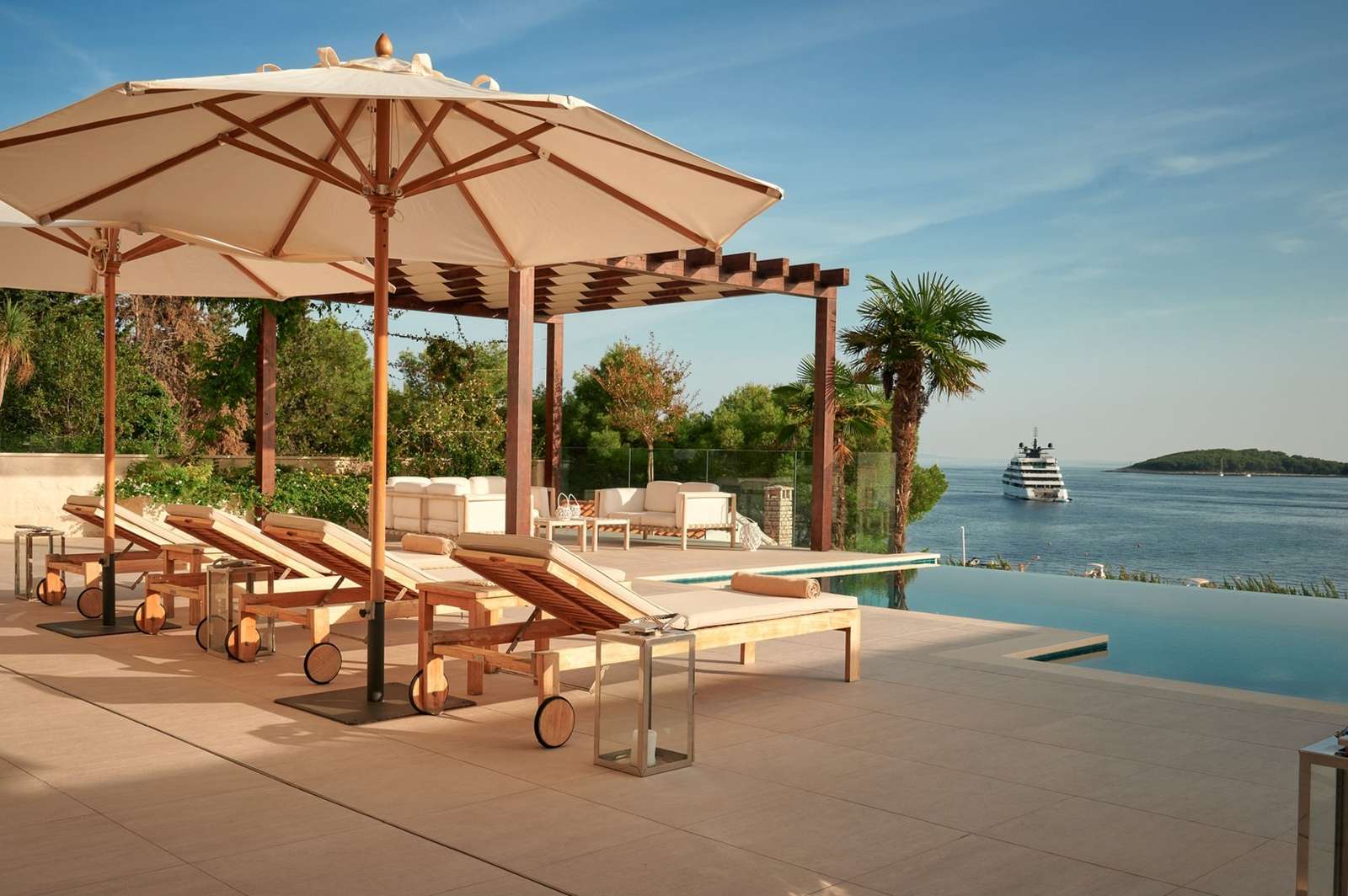
Stone harbour towns, pebble coves and island bays along the Adriatic, with villas that often sit right on the water. Ours are concentrated in Dalmatia, while Istria adds vineyards and hill towns for a quieter, food-led stay.
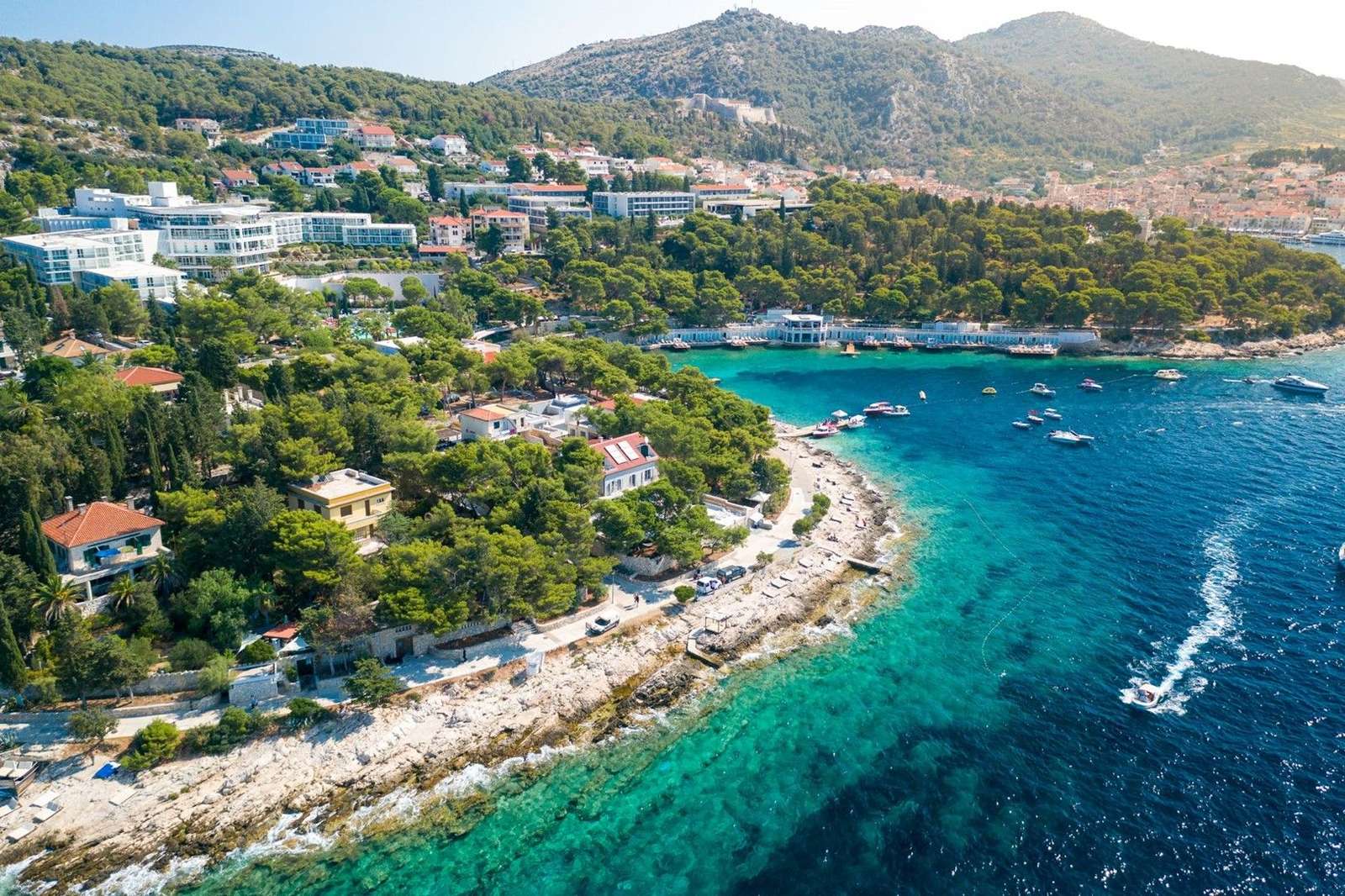
Why Choose Croatia for a Luxury Villa Holiday?
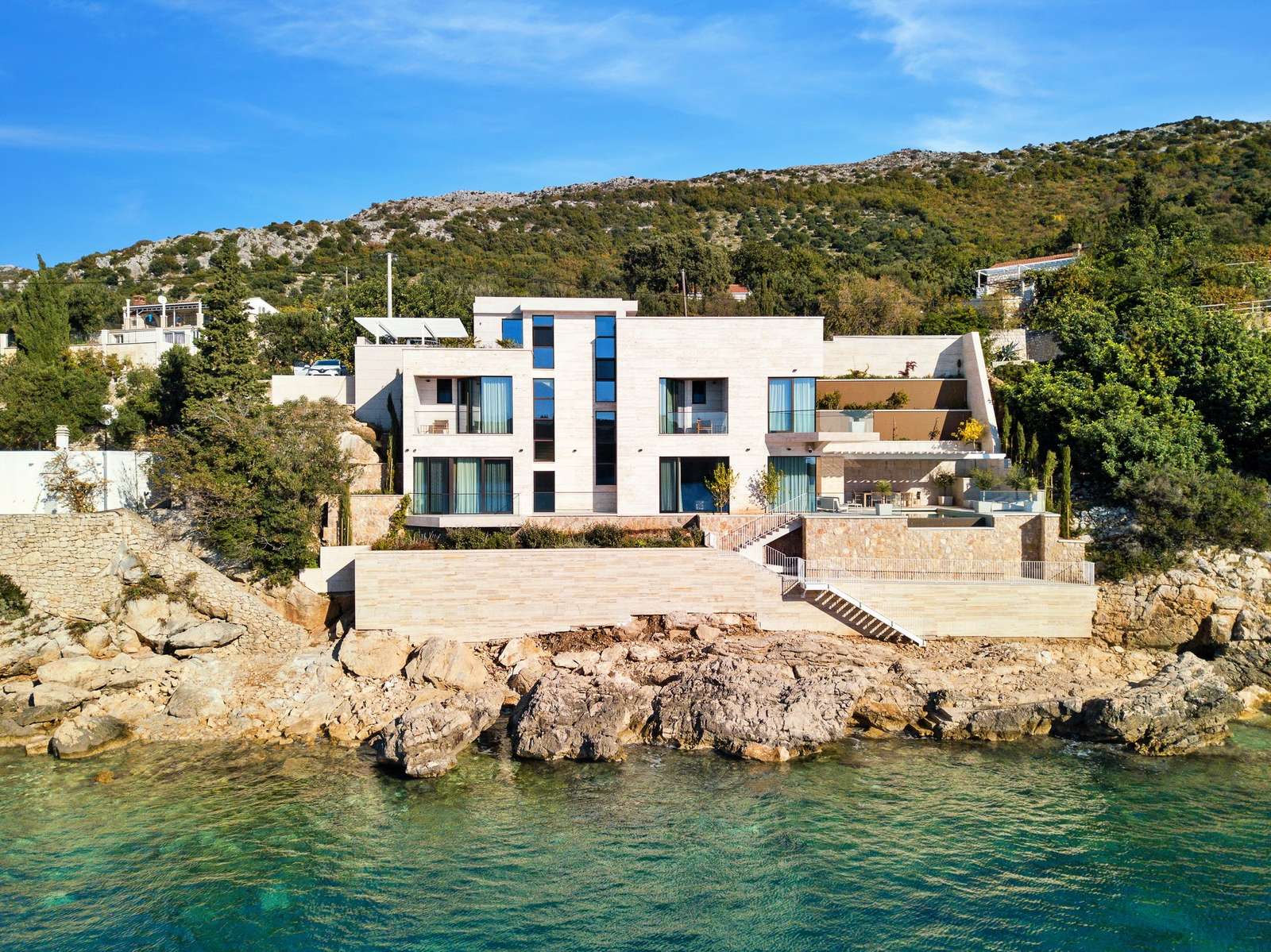
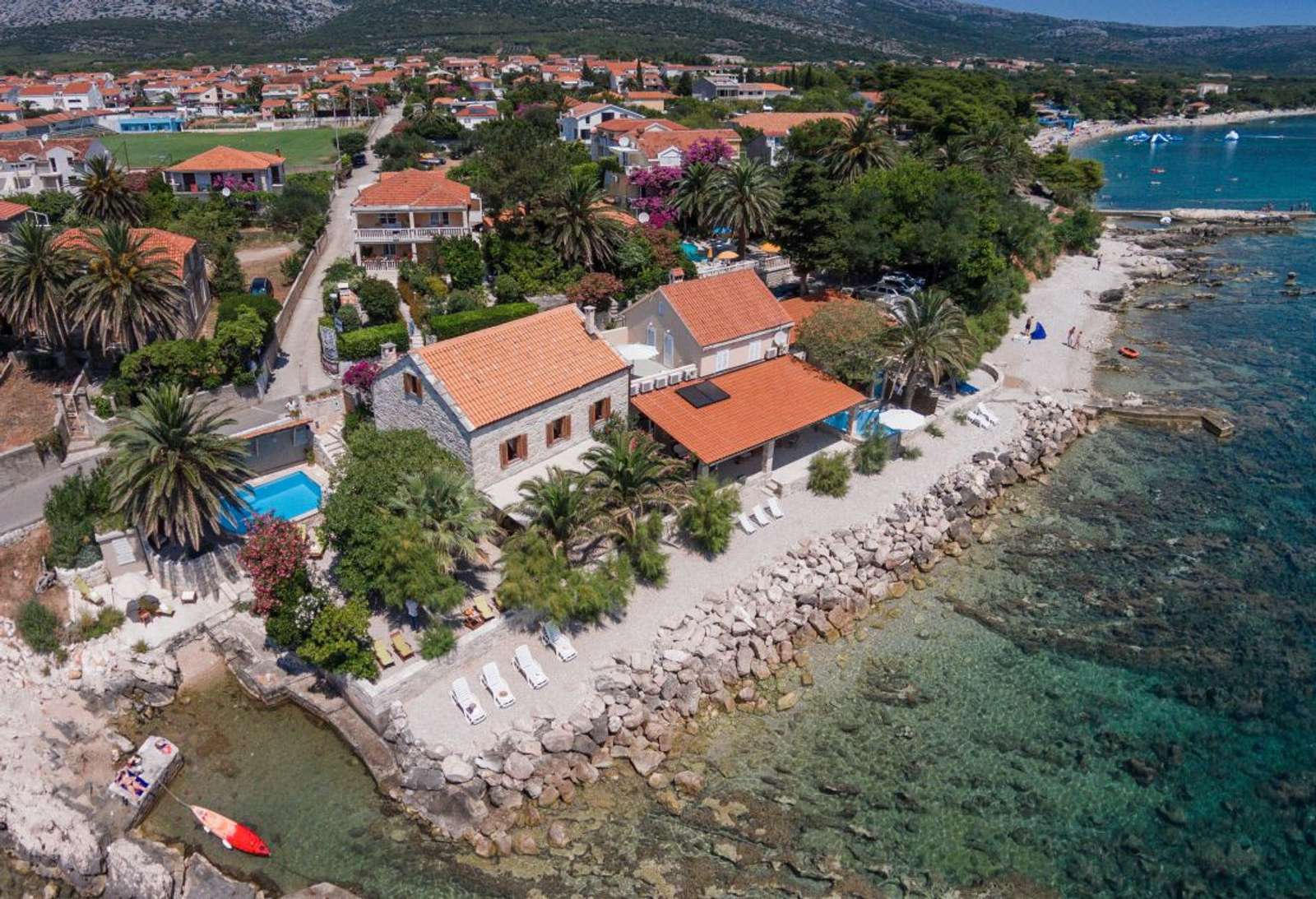
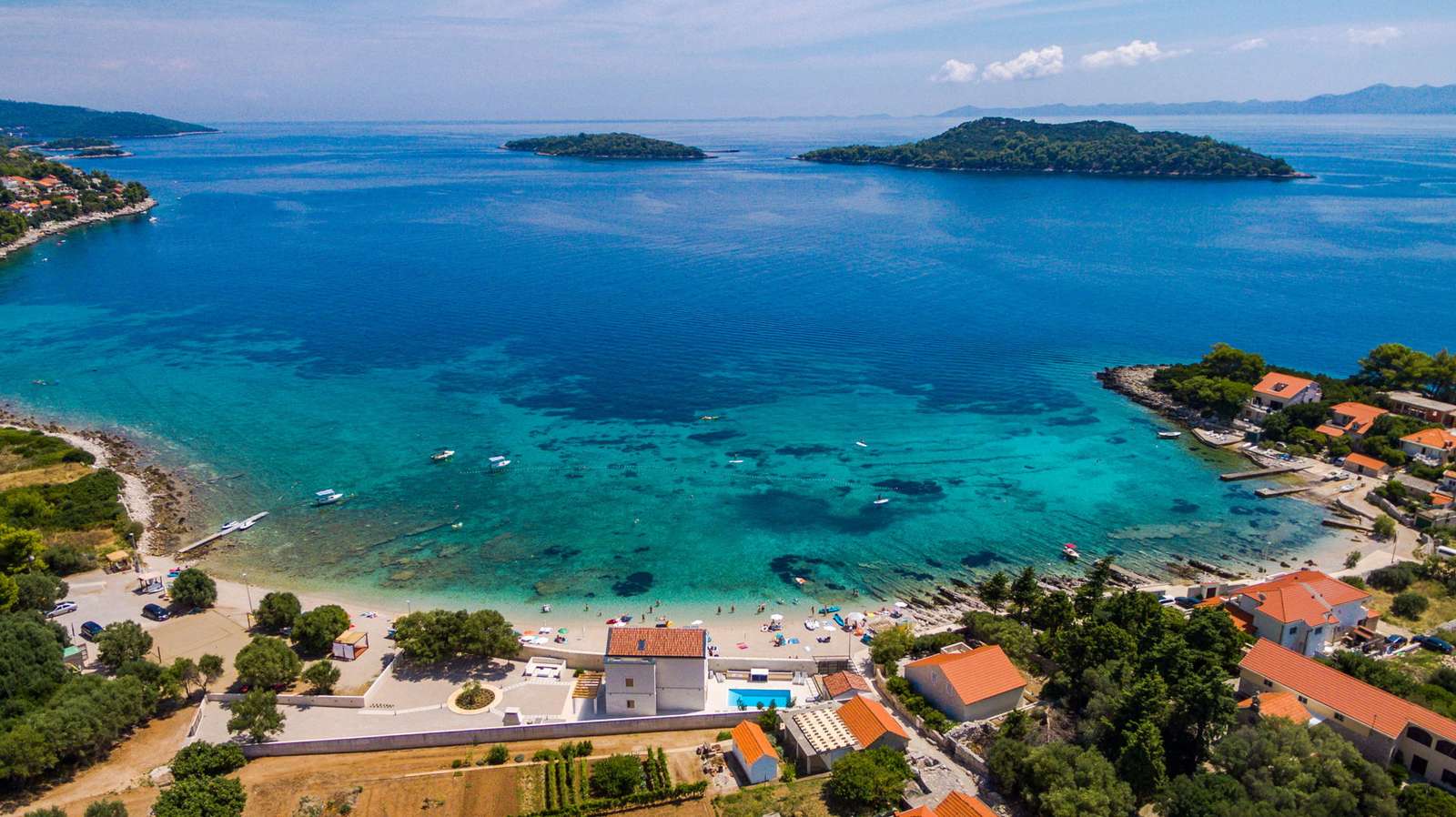
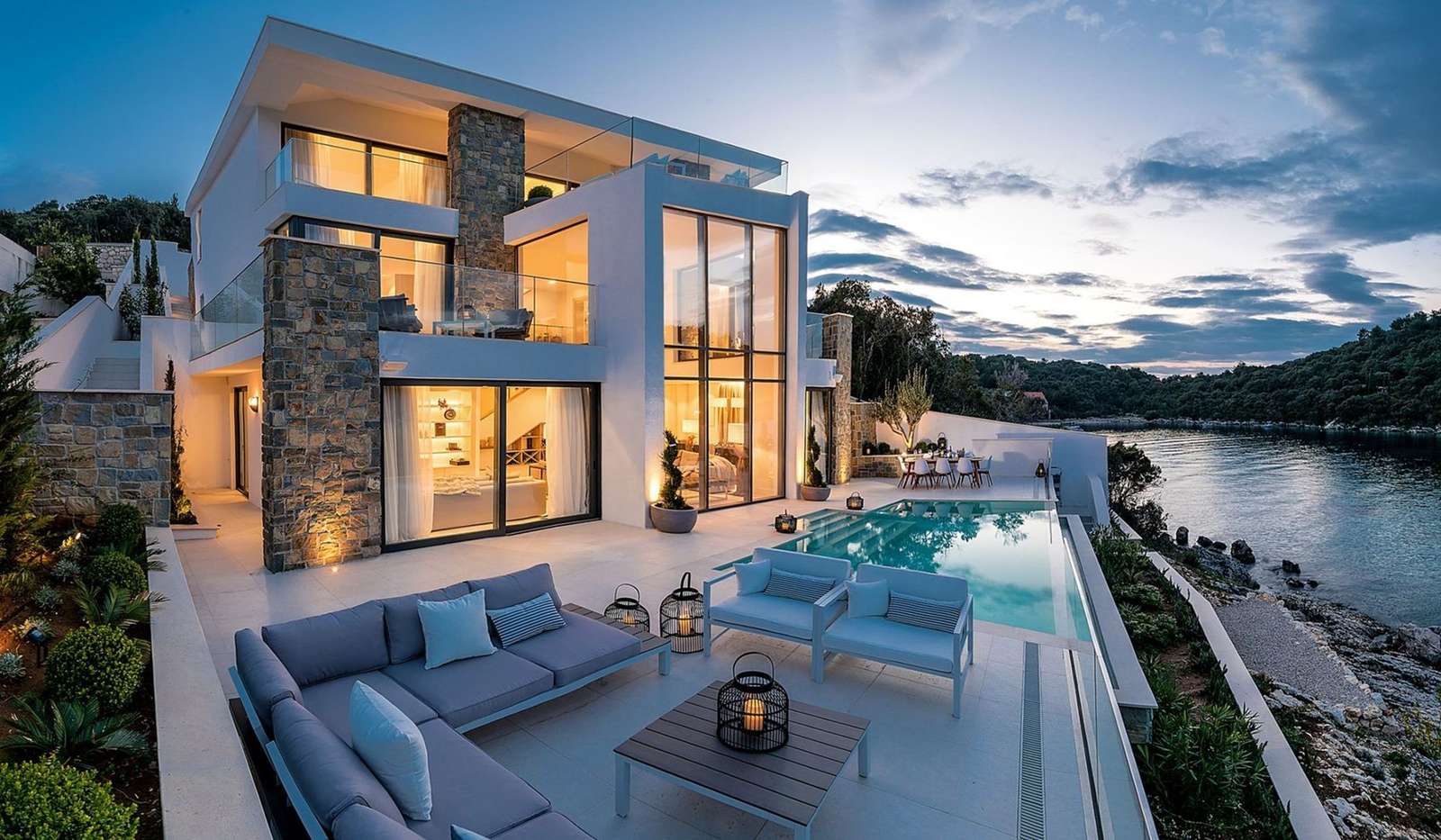
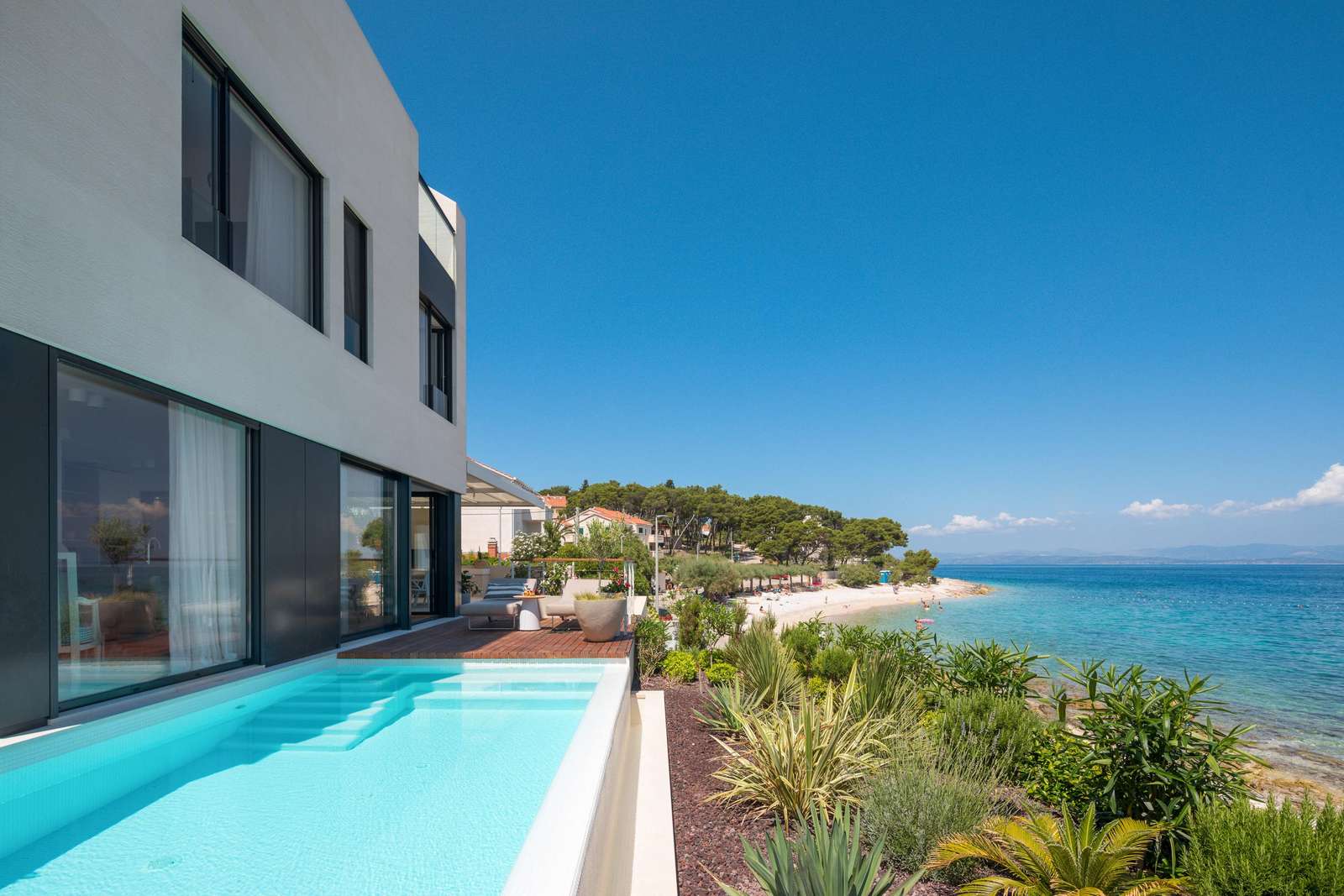
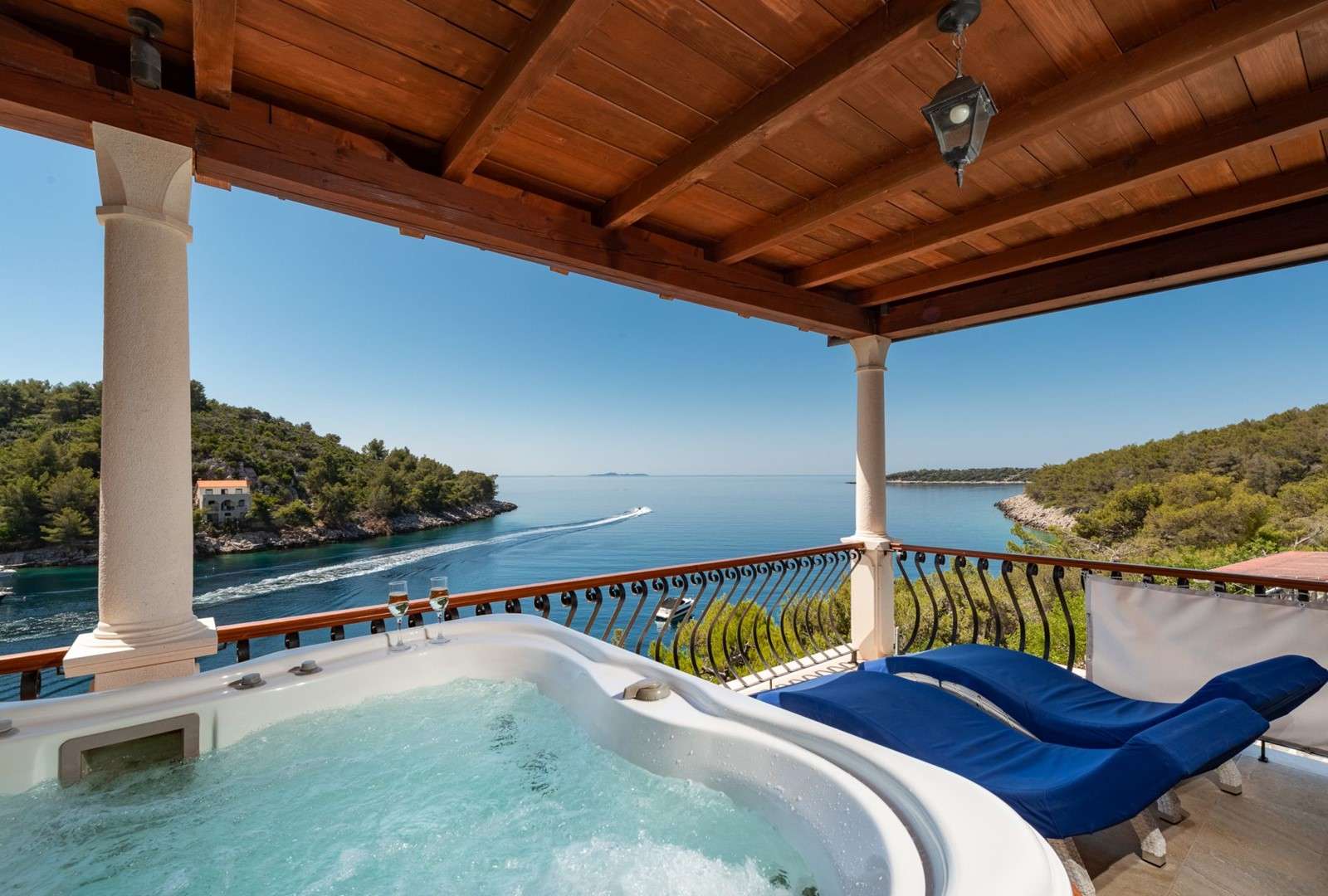
Many of our Croatian villas stand within metres of the Adriatic, with stone terraces stepping down to the water and, in places, a private mooring. Most are on the Dalmatia Coast, which runs from Trogir, Split and Omiš south to Dubrovnik. Offshore, Hvar, Brač and Korčula have sheltered bays and stone harbour towns, and a smaller number of villas sit on the Pelješac peninsula near Orebić. Istria, in the north, swaps sea views for vineyards, olive groves and hilltop villages such as Grožnjan, and feels closer to Italy in food and pace.
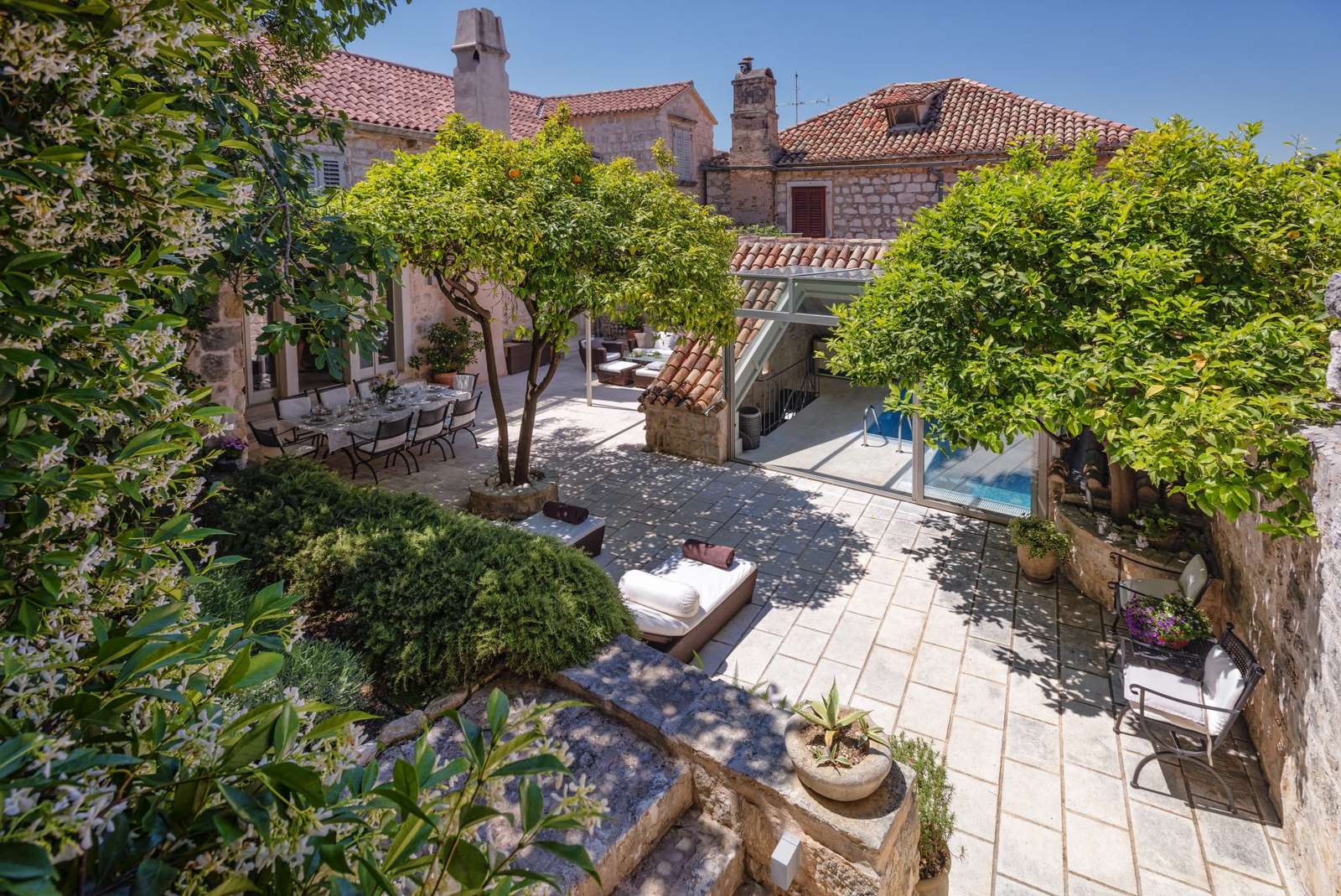
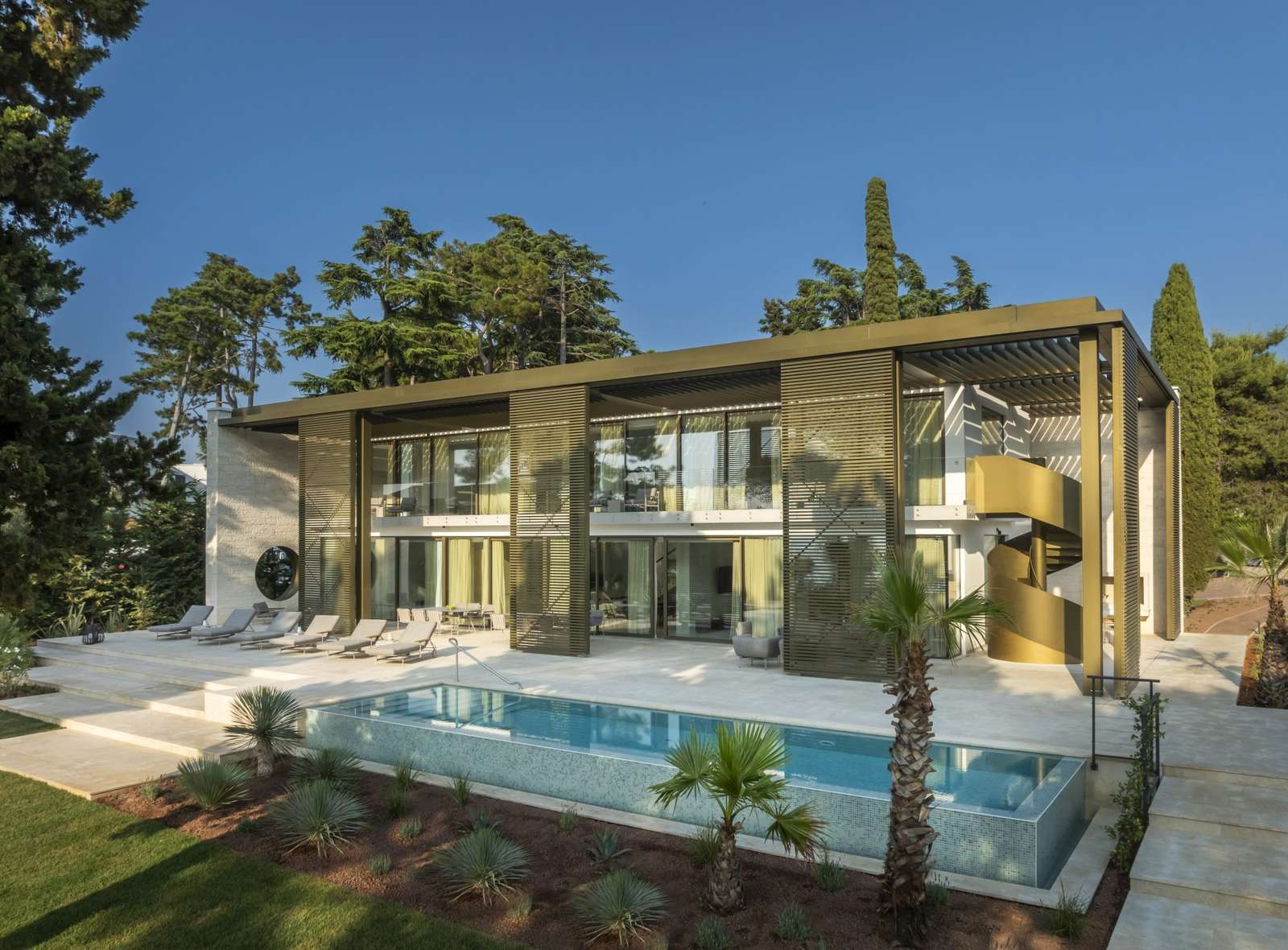
What a villa gives you here is the sea on your own terms: waterfront villas with heated pools, outdoor dining and barbecues, and a boat berthed below the terrace. Meals follow the coast, with grilled fish, black risotto and Dalmatian pašticada, and the days fill with sailing, kayaking and swimming, or walking and cycling on the islands and in Istria's countryside. If it is your first visit, we would base you on the coast or one of the islands and add Istria only if food and countryside matter more to you than the water.
The long swimming season is covered in Best Time to Visit, and our area-by-area table matches each part of the country to the kind of trip you have in mind.
DESTINATIONS
Popular Regions in Croatia
105 VILLAS
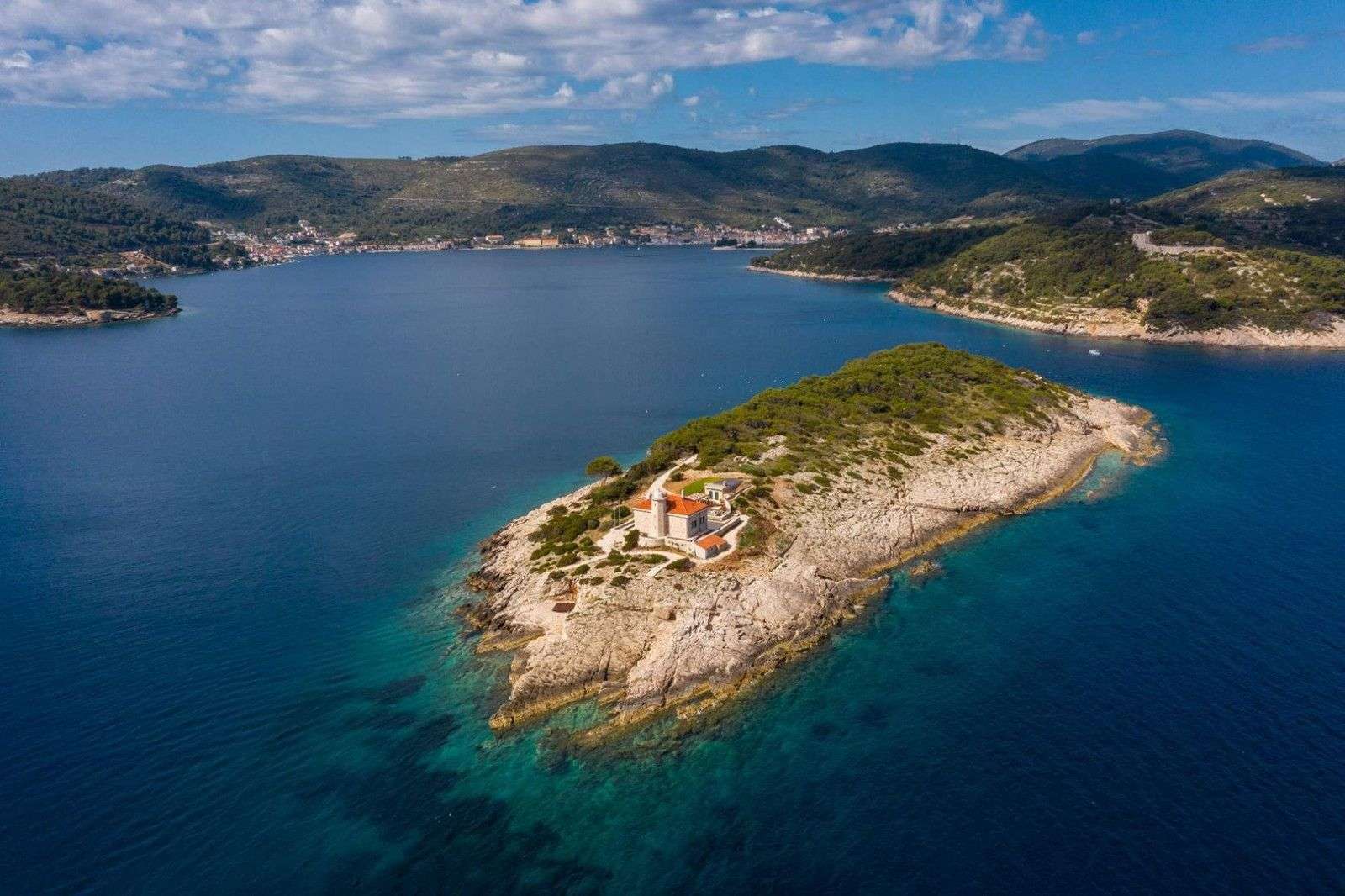
Dalmatia Coast
A coast of Adriatic islands and walled old towns, where many villas stand at the water's edge with sea views, heated pools and private moorings. Base yourself on Brač, Hvar or Korčula, or near Dubrovnik.
30 VILLAS
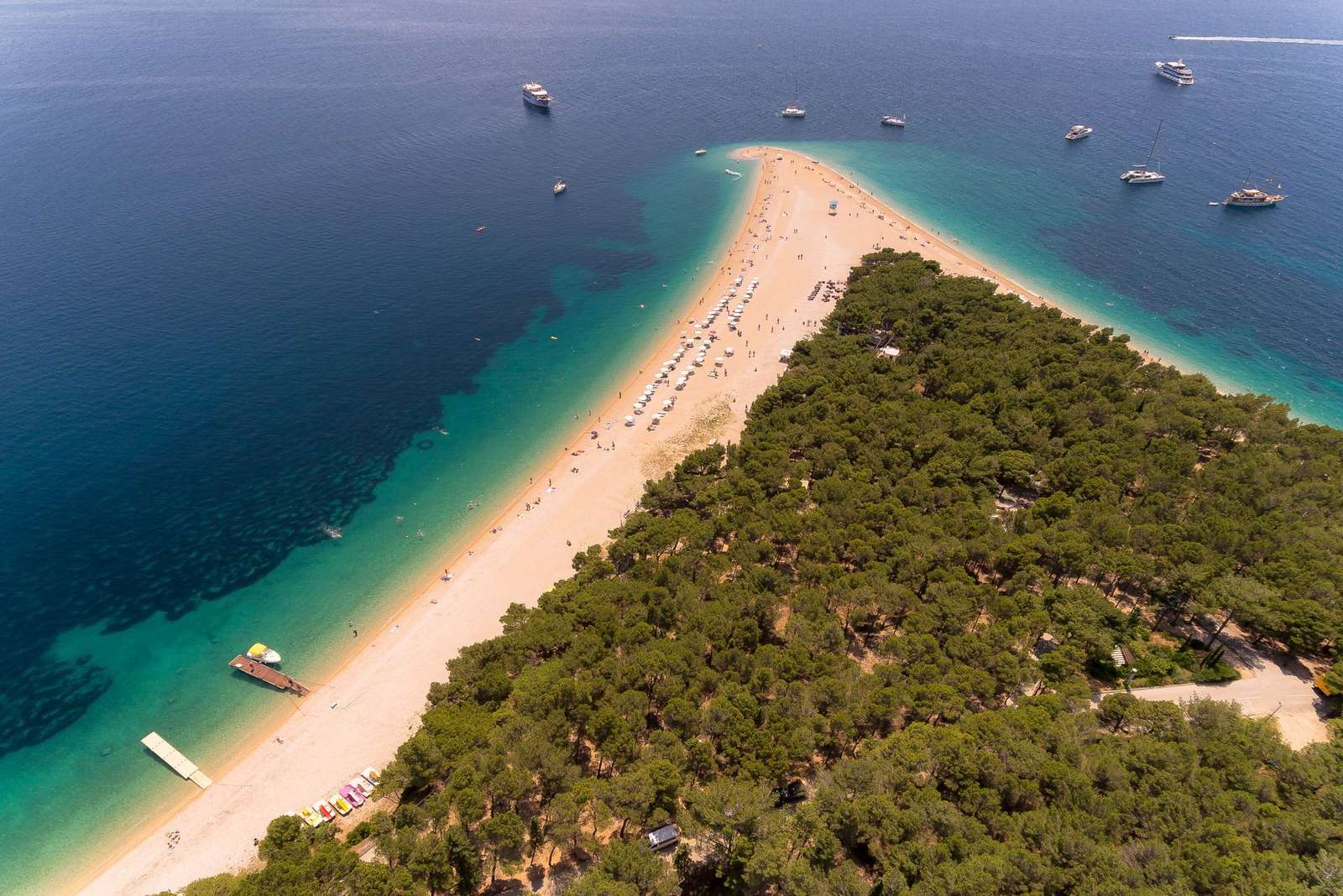
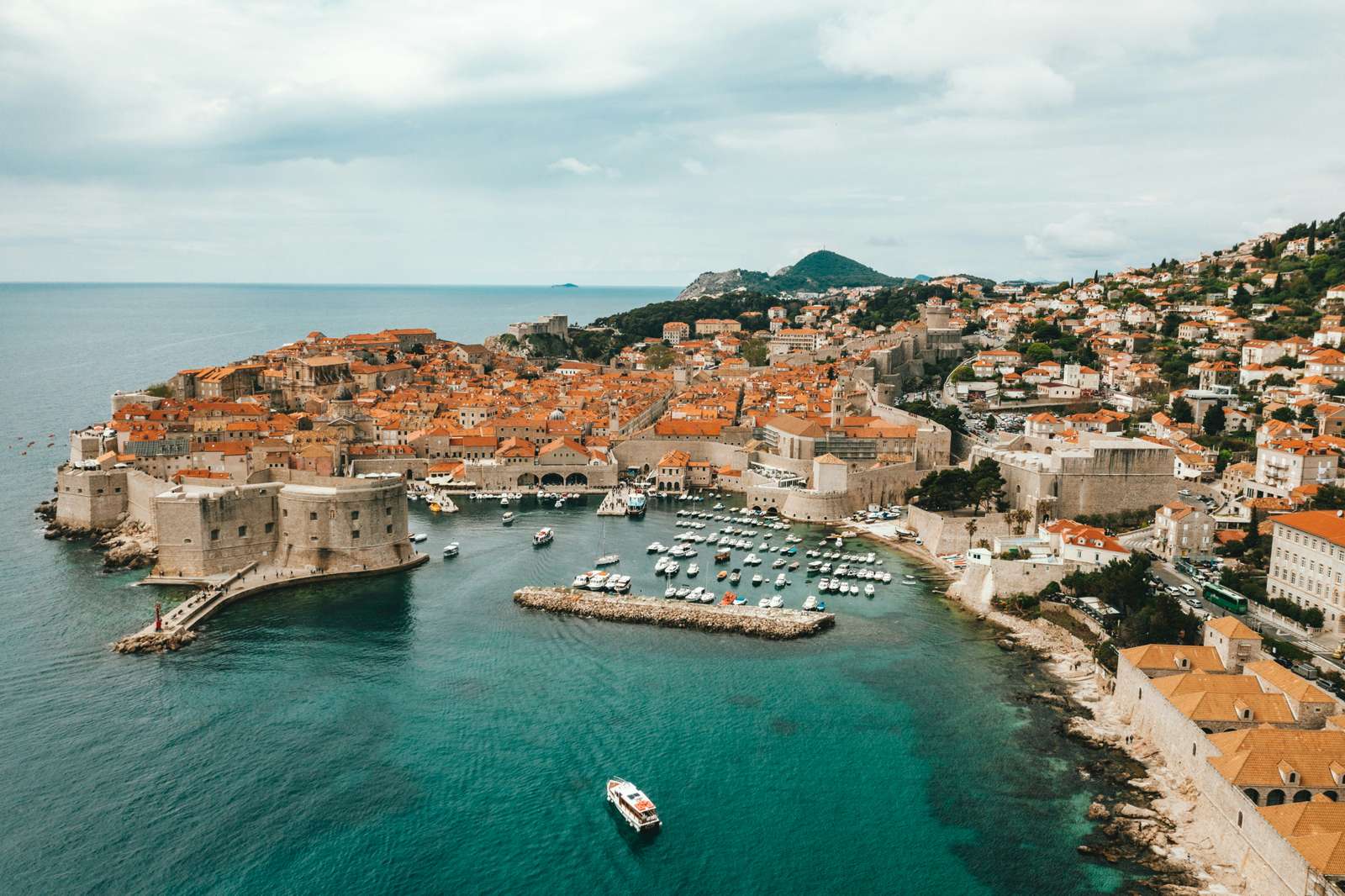
Brac
Brač is Dalmatia's largest island after a short ferry hop from Split, with pine-fringed coves, hilltop stone villages and the shifting sands of Zlatni Rat near Bol. Villas around Sutivan, Bol and Splitska suit long, slow summers of swimming, sailing and konoba dinners.
25 VILLAS
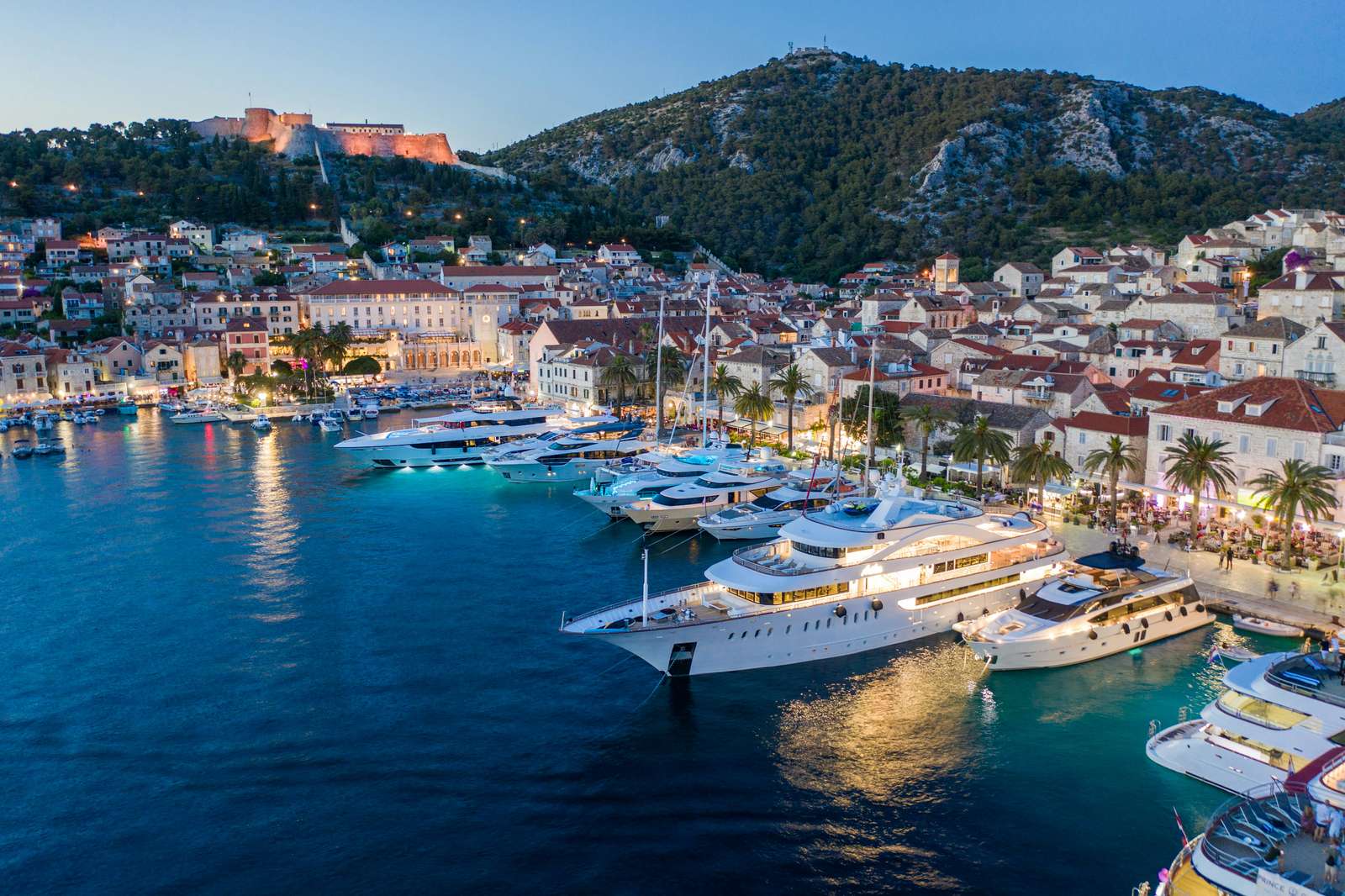
Dubrovnik Area
Stone-walled Dubrovnik, the quiet harbours of Zaton and Slano, and the car-free calm of Sipan Island sit along one stretch of Adriatic coast. Villas here favour sea views, private pools and easy access to the water, with warm, dry summers that usually peak around 30°C.
11 VILLAS
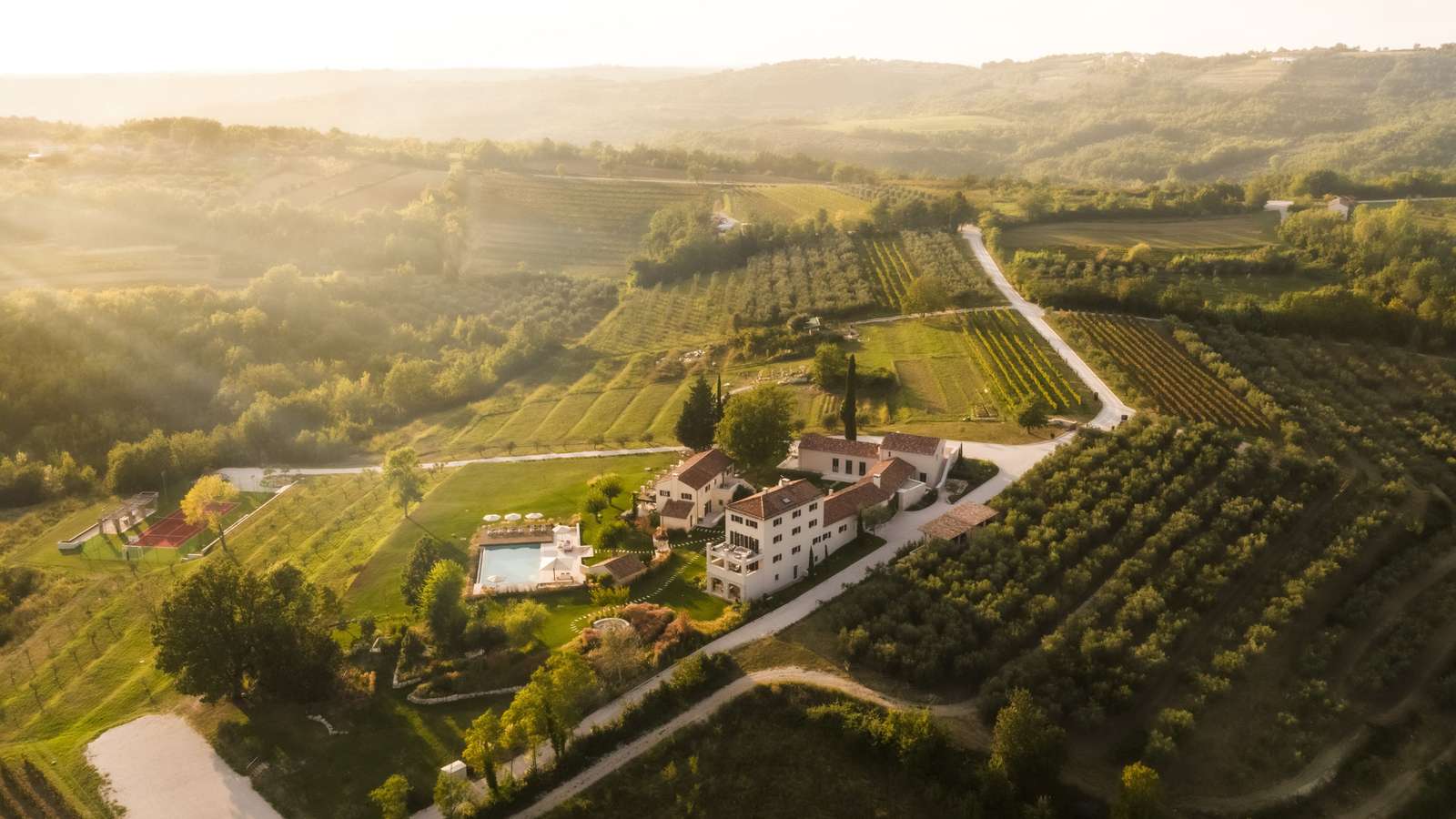
Hvar
Hvar pairs lavender-scented hillsides and old Venetian stone with a lively harbour scene on Croatia's Dalmatian coast. Summers typically reach 28°C-31°C, ideal for island-hopping by boat, long lunches in quiet coves and evenings in Hvar Town, all from a private villa.
10 VILLAS
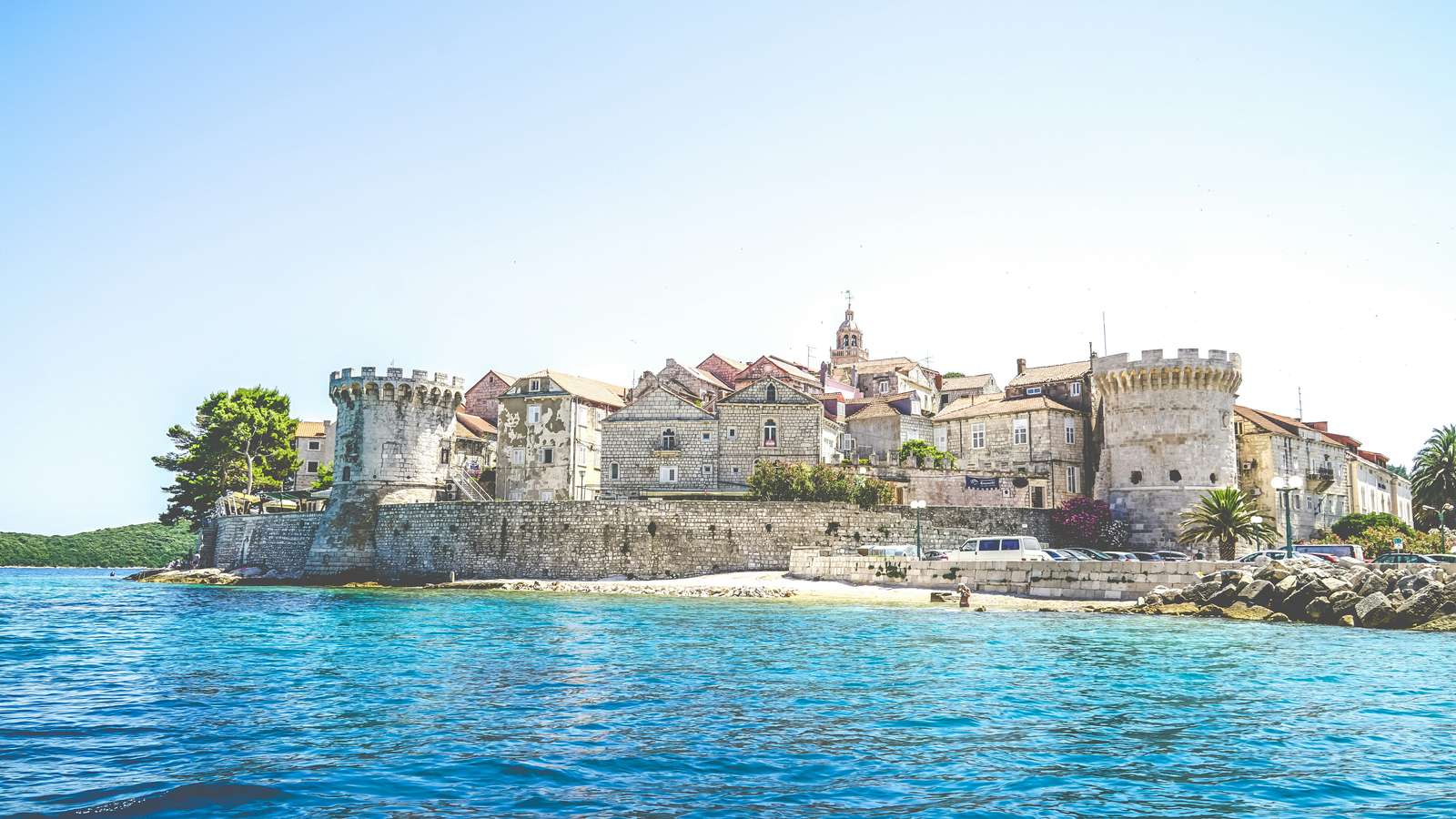
Istria
Istria is Croatia's green, sea-fringed peninsula, where hilltop towns, truffle woods and vineyards sit a short drive from the Adriatic. Villas around Opatija put you on the Kvarner coast, while Rovinj adds Venetian charm. Summers are typically warm, with highs around 30°C in August.
9 VILLAS
Korcula
Korčula is an island of walled old town lanes, family-run wine cellars and quiet Adriatic coves, reached by a short ferry from the Dalmatian mainland. Summers typically bring highs around 32°C, ideal for sailing, swimming and long lunches at a private villa with sea views.
5 VILLAS
Rogoznica
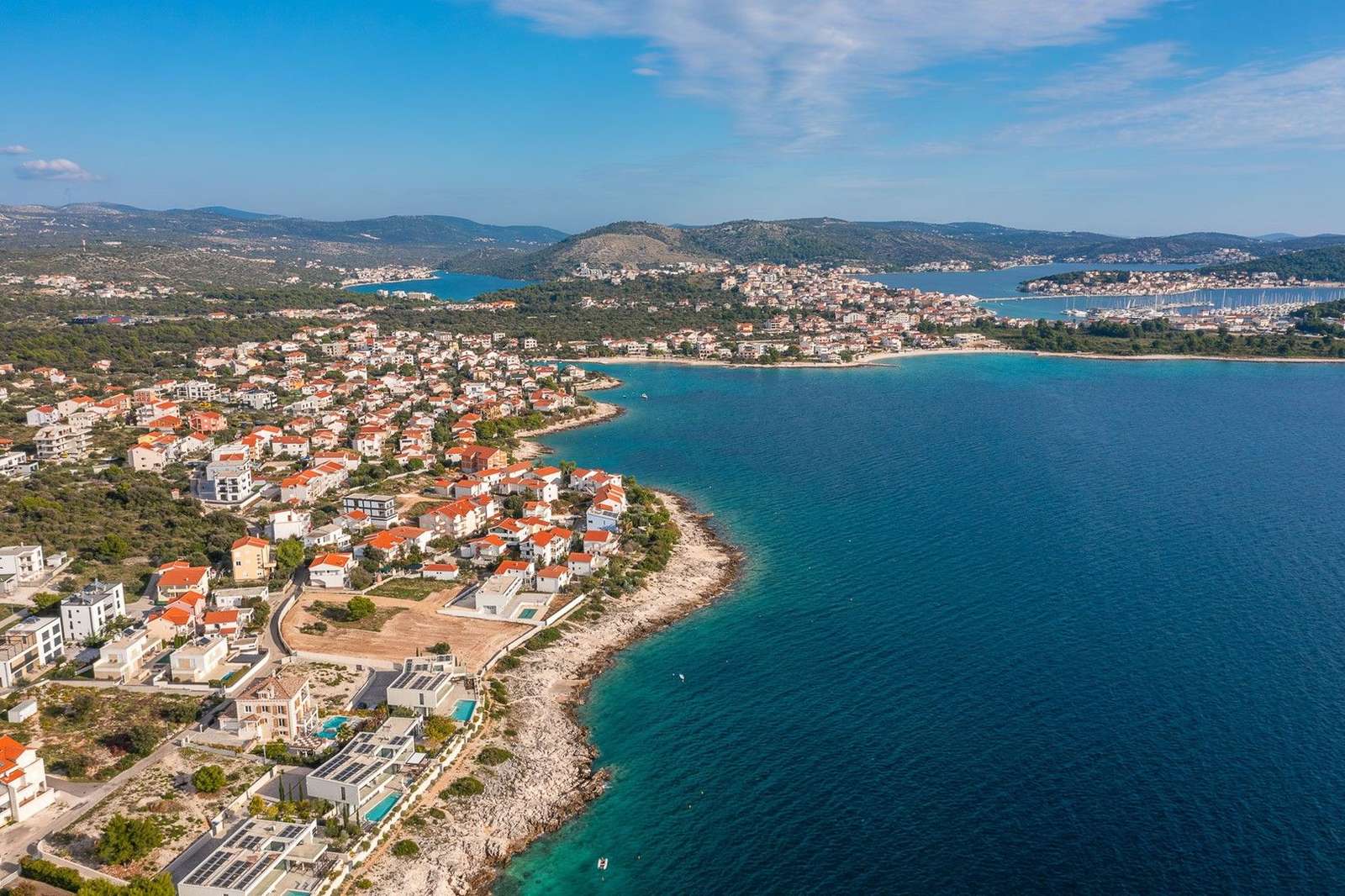
Rogoznica is a small Dalmatian coastal town between Split and Šibenik, with a sheltered harbour, pebble coves and a quiet, easy pace. Summers are typically warm, with highs around 27°C-30°C from June to August, ideal for boat days, island hopping and long lunches by a private pool.
5 VILLAS
Split Area
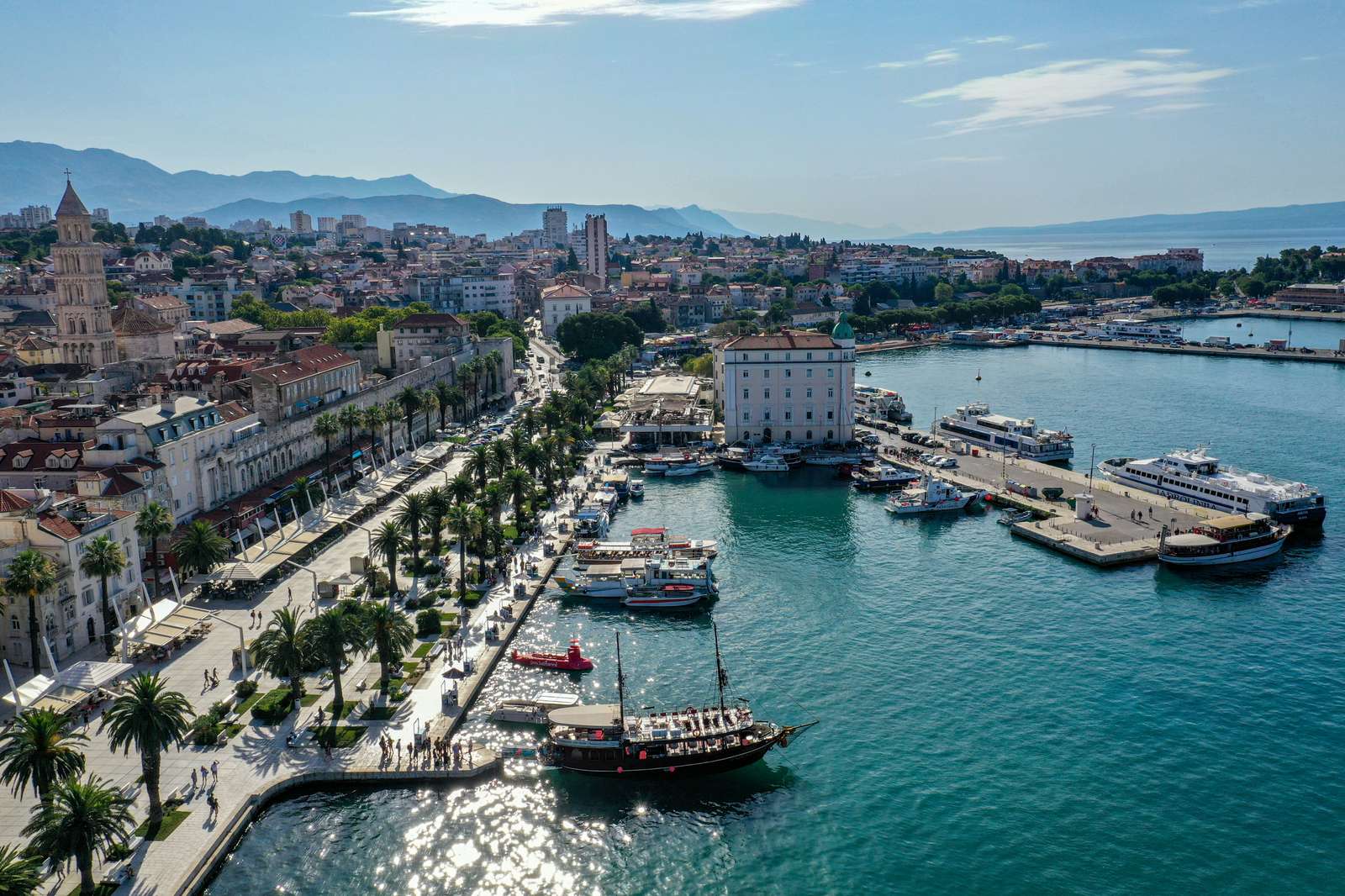
Split and its surrounding coast pair Roman history with Adriatic swimming coves and island views. Base yourself in Baška Voda, Kastel Stari or Split itself, with summer highs typically around 30°C and ferries, old town lanes and seafront konobas close by.
View all villas in Croatia
Best Time to Visit Croatia
Temperature units
June and September suit most villa stays: the sea is warm, the days are long and the coast is calmer than at the height of summer. July and August are the hottest and driest months, and also the busiest, with the highest rates and the best villas booked many months ahead. May and October are milder and quieter, good for walking, sightseeing and wine. Winter is mild but wet, and many island restaurants close. Inland Zagreb and the hills of Istria are cooler and can see frost.
Historical averages for this area over the past 10 years: typical high and low temperatures, total monthly rainfall and peak wind speed. Conditions vary from year to year.
Spring (March-May)
March is still cool and changeable. By May the coast typically reaches 22°C and the islands are green, with wild herbs, broom and fruit blossom on the hillsides, though the sea stays cold for most swimmers until late May. It is a season for sightseeing in Dubrovnik, Split and Trogir's UNESCO-listed old town, for walking on Brač, Hvar and the Pelješac peninsula, and for golf in Istria. It suits couples, walkers and anyone who puts culture first.
Summer (June-August)
Rain is scarce, highs average around 30°C in July and August, and the Adriatic is usually warm enough for long swims by late June. Families often choose the Makarska Riviera, Brač or the area around Trogir, while Hvar Town draws a livelier crowd. Days go on the water, and evenings are late dinners on the terrace once the heat eases. Villas with pools and private moorings for these weeks are often booked many months ahead.
Autumn (September-November)
Many regular visitors rate September as the best month on the coast. Highs average around 25°C, the sea keeps much of its summer warmth and crowds thin once schools go back. The grape harvest takes place on Pelješac around Orebić and across Istria, October brings olive picking, and the white truffle season gets under way around Motovun and the Mirna valley. Cooler days suit cycling Istria's Parenzana trail or walking on Korčula and Brač. Rain becomes more frequent through October, and November is typically the wettest month. Base yourself on the Dalmatian islands early in the season and in Istria, Dubrovnik or Split later on.
Winter (December-February)
Winter on the coast is mild and quiet, with highs of 12°C to 13°C typical in Dalmatia. The cold bura wind can make some days feel much cooler, and rain is more frequent from December. Most visitors come for city breaks, food and peace. Island restaurants close and ferry timetables are reduced, so mainland bases near Split, Trogir or Dubrovnik are more practical, ideally with a heated pool, sauna or fireplace to come home to.
Month-by-Month Guide
Use the table to match the month to the kind of trip you want and the area that suits it.
| Month | Best For | Where to Stay |
|---|---|---|
| January | Quiet city breaks, museums, local food | Dubrovnik, Split, Zagreb |
| February | Feast of St Blaise, carnival season, off-season value | Dubrovnik, Trogir, Rijeka |
| March | Early walking, uncrowded old towns | Split, Trogir, Istria |
| April | Easter traditions, sightseeing, waterfalls at Plitvice Lakes and Krka at full flow | Hvar, Dalmatia Coast |
| May | Walking, cycling, sightseeing before the peak | Dalmatia Coast, Orebić, Istria |
| June | Early-summer swimming, sailing, lavender on Hvar | Hvar, Brač, Korčula |
| July | Family holidays, boat days, festivals, beach clubs | Hvar, Brač, Makarska Riviera, Dubrovnik |
| August | Swimming, watersports, Dubrovnik Summer Festival | Dalmatia Coast, Trogir, Korčula |
| September | Swimming without the crowds, grape harvest | Orebić, Korčula, Istria |
| October | Truffles, olive harvest, cycling, wine tasting | Istria, Dubrovnik, Split |
| November | Food-focused trips, truffle season, slow travel | Istria, Dubrovnik, Zagreb |
| December | Advent markets, festive city breaks, wellness stays | Dubrovnik, Split, Zagreb |
Seasonal Highlights
- April and May: the waterfalls at Plitvice Lakes and Krka National Park at their fullest
- Holy Week: the night-time, UNESCO-recognised Za Križen procession on Hvar
- June and early July: lavender in bloom on Hvar's inland plateaus
- July and August: open-air theatre and music at the Dubrovnik Summer Festival, and the Sinjska Alka, a historic tournament held in Sinj, inland from Split, each August
- September to November: the grape harvest and Plavac Mali tastings on Pelješac, then truffle hunting and new-season olive oil in Istria
- December to February: Zagreb's Advent market, the Feast of St Blaise in Dubrovnik on 3 February and Rijeka's carnival towards late winter
Concierge Travel Guide to Croatia
Split and Dubrovnik are the two gateways for most of our villas. Split is the natural arrival point for central Dalmatia, Trogir and the islands of Brač and Hvar, while Dubrovnik serves the southern coast and the Pelješac peninsula around Orebić, with Korčula within reach of both. Istria, in the north-west, is reached via Pula, Trieste or Ljubljana. Zagreb has year-round connections, and all of these are well linked through major European hubs, with more seasonal routes from North America and the Middle East. The islands are reached by ferry or catamaran from Split, and private boat transfers can often be arranged.
Where to Eat
Michelin-starred tables include Monte in Rovinj, Pelegrini in Šibenik and 360 in Dubrovnik. Local cooking is simpler: octopus or lamb slow-cooked under a peka bell, oysters from Mali Ston Bay, and Istrian pasta with truffles from the Motovun forest. Pelješac produces Plavac Mali from the steep Dingač and Postup slopes near Orebić, Korčula is known for white Pošip, and Istria for Malvazija and Teran. Cellar visits, oyster tastings by boat and private chefs at the villa are easy to arrange, and our villas in wine regions put the vineyards close.
Beaches
Most Croatian beaches are pebble or flat rock, and the water is very clear, which is why a villa with its own sea steps or platform is so sought after. Zlatni Rat at Bol on Brač is the best known, followed by Punta Rata in Brela and Banje, which faces Dubrovnik's Old Town. Pržina near Lumbarda on Korčula is one of the rarer sandier coves. Quieter spots are best reached by boat: the Pakleni Islands off Hvar Town, Stiniva on Vis and the bays of southern Korčula. Hvar has the liveliest beach clubs, including Hula Hula and Carpe Diem on Marinkovac. For easy access, look at beachfront villas.
Things to Do
Sailing and boat charters are the natural way to link the islands, with kayaking and snorkelling in the sheltered bays. On land, walking and cycling suit the islands and Istria's countryside. From Split or Trogir, Krka National Park is an easy day trip. From Dubrovnik, you can reach Mljet, Montenegro's Bay of Kotor or Mostar in Bosnia and Herzegovina, and from Istria the Slovenian coast and Ljubljana are within easy reach. Seasonal catamarans run from the Istrian coast to Venice.
Golf
Istria has the country's most established golf. The 18-hole Golf Adriatic course at Savudrija runs along the coast near Umag, and Brijuni National Park has a historic course reached by ferry from Fažana.
With Children
Istria has the largest waterparks, Istralandia near Novigrad and Aquacolors in Poreč, while Fun Park Biograd is the main theme park on the Dalmatian coast. Wildlife is often the bigger hit: the safari park on Brijuni, dolphins around Lošinj, and the waterfalls of Krka and the Plitvice Lakes, best visited early in the day in summer. Boat trips to the Blue Cave on Biševo, Mljet National Park or the Elaphiti Islands suit most ages.
Culture
Dalmatia has an unusual number of UNESCO sites within a short drive of each other: Diocletian's Palace in Split, medieval Trogir, the Cathedral of St James in Šibenik, the Stari Grad Plain on Hvar and the walls of Dubrovnik. In Istria, Pula's Roman arena and the Euphrasian Basilica in Poreč stand out. Split's green market shows daily life, the Dubrovnik Summer Festival fills the Old Town with theatre and music, and Korčula's Moreška sword dance is performed through the summer.
What We Can Arrange
Boat hire with a skipper, speedboat transfers from Split or Dubrovnik and tailored island excursions are popular extras. Services vary from villa to villa, so tell us what you have in mind before you book.
Find Your Perfect Villa in Croatia
The area you choose shapes the stay more than the villa does. Our 116 villas are concentrated on the Dalmatia Coast and its islands, with smaller groups around Trogir, in Istria and on the Pelješac peninsula near Orebić. The coast and islands are about harbours, pebble beaches and boat days, while Istria is vineyards, hill towns and a greener interior.
| Traveller Type | Where to Stay | Why |
|---|---|---|
| Families | Brač and Trogir | Shallow pebble beaches and beachfront villas in Sutivan and Seget Donji, with local restaurants within walking distance. |
| Couples | Korčula | A compact walled old town, quiet coves and seafront villas within walking distance of the centre. |
| Large Groups | Hvar and Orebić | Villas with up to ten bedrooms, Hvar Town's restaurants and the Pakleni Islands close by, and the Pelješac vineyards just across the water. |
| Beach Lovers | Brela and Brač | Pine-backed shingle beaches on the Makarska Riviera, plus Zlatni Rat on Brač. |
| Food Lovers | Istria and Orebić | Truffles and olive oil around Motovun and Grožnjan, Ston oysters and Plavac Mali wines on Pelješac. |
| Wellness | Brač and Korčula | Many villas here have saunas, gyms and heated pools. |
| Golf | Istria | Croatia's most established golf, with Savudrija near Umag the main course. |
| Luxury Escapes | Dubrovnik Riviera and Hvar | Heritage estates, waterfront moorings and staffed villas with a villa manager and concierge. |
Many villas come with a villa manager and regular pool cleaning, and saunas, gyms and heated pools are common, particularly on Hvar, Brač and Korčula. A private chef can usually be arranged. Services vary from villa to villa, so check what is included before you book.
If you already know the setting you want, start with villas within walking distance of town, villas with a gym, or larger estates for weddings and celebrations. Timing matters as much as location, so read Best Time to Visit before fixing dates.
Explore villas on the Dalmatia Coast